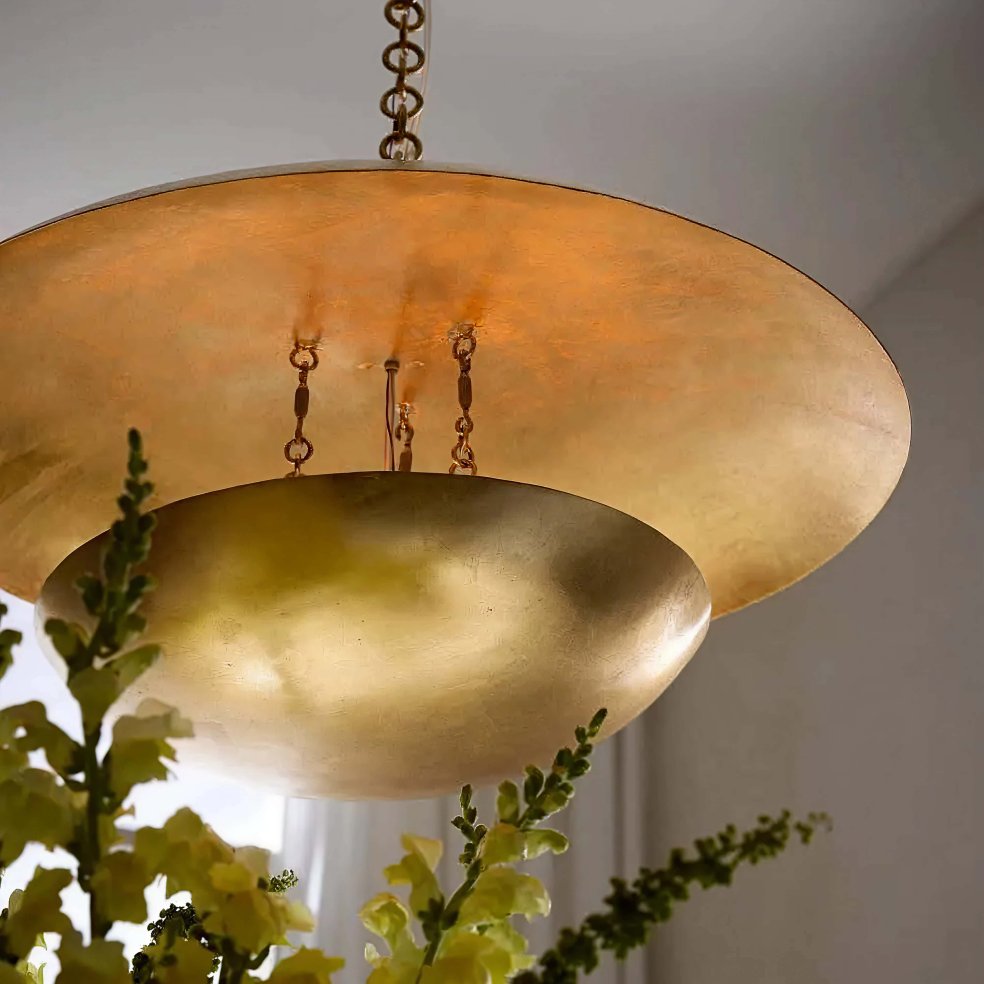
Not only does lighting shape a room’s mood and functionality, but it also has a substantial effect on a space’s energy usage. Sustainable lighting in interior design consists of fixtures that provide energy efficiency, material integrity, and product longevity. As a flexible, low-impact lighting solution that pairs modern battery technology with genuine design intention, rechargeable lamps uphold all three of those requirements. Here’s how to work them into your home’s lighting scheme.
What Is Sustainable Lighting in Interior Design?
Sustainable lighting in interior design considers a fixture's full lifecycle, not just its finish or silhouette. It’s a subcategory of lighting that weighs materials, energy use, and durability alongside the way a piece looks on a shelf or console.
The Principles of Sustainable Lighting
At its core, sustainable lighting is upheld by three pillars: efficiency, longevity, and material integrity:
- Efficient light sources produce more illumination per watt, often via LED technology.
- Fixtures with longevity are built to last and can even act as heirloom pieces rather than replaced every few seasons, resulting in less waste.
- Pieces with material integrity favor responsibly sourced woods, natural fibers, and a high level of craftsmanship.

Key Elements of an Eco-Friendly Lighting Plan
An eco-friendly lighting plan layers several strategies rather than relying on a single fixture or bulb type. Each element below plays a distinct role in reducing a home's energy use while elevating how the space looks and feels.
Choose Energy-Efficient LED Lighting
LED technology remains the single most effective upgrade for environmentally friendly lighting in any home. LEDs use a fraction of the energy of incandescent or halogen sources, produce significantly less heat, and last for tens of thousands of hours before needing replacement.
Because LEDs run cooler, they also place less stress on shades, finishes, and surrounding materials, which extends the working life of the fixture itself. Choose integrated LED fixtures over ones that require frequent bulb swaps to further reduce waste over the life of the piece.
Use Dimmers and Lighting Controls
With dimmers and layered controls, a single fixture can serve multiple purposes throughout the course of a day. For example, a dining chandelier that runs bright for meal prep and low for evening conversation is doing the work of two fixtures.
Smart controls and scene-setting switches extend this idea further, allowing a home to shift its lighting automatically based on time of day and sunlight output, which effortlessly trims energy use.
Invest in Durable, High-Quality Fixtures
A fixture built from solid materials and finished by hand is inherently more sustainable than one designed for a short lifespan. Arteriors has spent nearly four decades refining this approach, working through a global network of artisan partners to produce pieces intended to be cherished for generations rather than replaced within a few years.
Investing upfront in a well-made fixture, whether a chandelier or a portable lamp, ultimately reduces the churn of manufacturing, shipping, and disposal that comes with frequent replacement.
Select Responsibly Sourced Materials
Material sourcing is one of the more overlooked components of sustainable lighting in interior design. Arteriors prioritizes responsibly sourced natural and organic materials, including FSC-certified woods, rattan, seagrass, and recycled glass. These materials are chosen for their environmental profile and for the fact that they age beautifully and bring texture to a room.

Layer Lighting for Flexible, Targeted Use
Layering ambient, task, and accent sources—including floor lamps positioned to fill dark corners—allows a home to use exactly the amount of light needed for a given moment rather than flooding a space unnecessarily. This layered approach is both more flexible and more efficient, since each source can be switched on independently as the room's use shifts throughout the day.
Why Rechargeable Lamps Fit a Sustainable Lighting Strategy
Rechargeable lamps bring every principle above into a single, portable object. They combine efficient LED technology, durable construction, and the flexibility to move light exactly where it's needed, all without the commitment of hardwiring.
Energy-Efficient LED Lighting in a Portable Format
Every rechargeable lamp in a well-designed collection pairs integrated LED sources with a rechargeable battery, delivering the same efficiency gains as hardwired LED fixtures in a portable form.
Pieces like the Chanell Rechargeable Accent Lamp, crafted from Calacatta Viola marble with a tapered antique brass shade, or the Verglas Rechargeable Accent Lamp, shaped from iron in a rich English bronze finish, prove that portability doesn't require sacrificing material quality or design intention.
Reduce Reliance on Disposable Batteries
Built-in rechargeable batteries eliminate the ongoing need for disposable alkaline batteries, which cuts down on both cost and landfill waste over a fixture's lifetime. Rather than tracking down replacement batteries or discarding spent ones, a rechargeable lamp simply plugs in to refill its charge, then disconnects again for hours or days of cordless use. This small shift adds up to a meaningfully smaller environmental footprint.

Use One Lamp Across Changing Spaces
A cordless lamp isn't tied to a single side table or outlet. The same table lamp can move from a console to a dinner setting to a reading chair, which means fewer total fixtures are required to light a home well. This flexibility is especially useful for renters, seasonal entertaining, or homeowners who like to frequently rearrange a room.
Add Light Without Permanent Wiring
Rechargeable lamps introduce warm, ambient light into spaces where installing new wiring isn't practical, from a bookshelf to a bathroom vanity to an outdoor dining table. Because they require no fixed power source, rechargeable lamps also avoid the material waste and disruption that come with adding new electrical infrastructure to an existing home.
For older homes or rental properties in particular, this makes an elevated lighting scheme achievable without undergoing a renovation.
Plug-In vs. Rechargeable vs. Hardwired Lighting: Comparison Table
Hardwired, plug-in, and rechargeable fixtures each serve a different purpose within a layered lighting plan. Hardwired lighting typically provides dependable, permanent illumination, while plug-in lamps offer flexibility wherever an outlet is available.
Rechargeable lamps provide the greatest placement freedom, making them especially useful for accent lighting, entertaining, and areas where cords or new electrical work would be impractical.
|
Lighting Type |
Placement Flexibility |
Setup or Installation |
Best Suited For |
Key Consideration |
|
Hardwired |
Fixed to the electrical connection |
Professional installation is typically required |
Overhead fixtures and primary room lighting |
Permanent and reliable, but difficult to relocate |
|
Plug-In |
Limited by outlet location and cord reach |
No permanent installation; requires an accessible outlet |
Reading lamps, desk lamps, and regular task lighting |
Provides continuous power, but visible cords may affect placement |
|
Rechargeable |
Highly flexible and cordless |
No permanent installation; periodic charging required |
Accent lighting, dining tables, entertaining, and transitional spaces |
Easy to move, but runtime depends on the battery and brightness setting |
What to Look for in a Rechargeable Lamp
Not every rechargeable lamp is built to the same standard. A few key features separate a sustainable, long-term piece from a short-lived novelty.
Battery Runtime, Charging, and Serviceability
Before purchasing a rechargeable lamp, check its runtime and charging method. A lamp with a longer runtime between charges requires less frequent charging cycles, which extends battery life over time and reduces the day-to-day upkeep of the piece. Look for straightforward charging methods and, where possible, batteries that can eventually be serviced or replaced rather than requiring the entire lamp to be discarded.
Light Quality, Dimming, and Brightness
The quality of light a rechargeable lamp produces matters just as much as its portability. A built-in dimmer allows the same fixture to shift from a soft accent glow to brighter task lighting, matching the flexibility of the lamp itself. Warm color temperatures tend to suit ambient and accent placements best, while even, glare-free output signals a well-engineered LED source rather than an afterthought.
Built to Last With Replaceable, Serviceable Parts
The most sustainable rechargeable lamps are designed with longevity in mind, using durable materials like marble, iron, and brass rather than components chosen purely for their light weight. Fixtures built to be serviced rather than replaced avoid contributing to the cycle of disposable, trend-driven lighting. This is where design and sustainability align most clearly: a piece made to last performs better, season after season.
How to Style Rechargeable Lamps Throughout Your Home
When styled with intention, rechargeable lamps add convenience and elegance to every space of the home. Here’s how to make them work in each room.
Indoor Living and Dining Spaces
As an addition to a living room lighting and furniture plan, a rechargeable accent lamp placed on a console or side table adds warm, flexible light without requiring an additional outlet. The flexibility of a compact lamp also complements dining room lighting and furniture by easily moving to the table during a dinner party, then returning back to a sideboard vignette the next morning.
Bedrooms and Home Offices
Setting a rechargeable lamp on a nightstand solves one of the more common bedroom lighting and furniture layout problems: inaccessible or faraway outlets. The same logic applies to a home office, where a cordless accent lamp can move from a desk to a bookshelf as tasks shift throughout the day.
Entryways, Outdoor, and Transitional Spaces
Entryways, hallways, and covered patios often lack convenient wiring, which makes these spaces ideal candidates for cordless lighting. A rechargeable lamp brings warmth to an entryway console table and, as a supplemental source in an outdoor lighting plan, illuminates patios and covered porches after sunset.
Bringing Sustainable Lighting Into Everyday Living
Sustainable lighting in interior design isn't a single purchase decision so much as an ongoing approach: choosing efficient sources, investing in pieces built to last, and using natural light in interior design before adding artificial sources. Rechargeable lamps fit neatly into that approach because they combine efficiency, portability, and design quality. Whether the goal is a versatile dining table setting, a flexible bedroom layout, or simply a home that uses less energy without looking or feeling like it, rechargeable lighting offers a smart, design-forward place to start.

Frequently Asked Questions
What Makes Lighting Sustainable in Interior Design?
Sustainable lighting combines energy-efficient sources like LEDs, durable construction, and responsibly sourced materials, reducing both energy use and the frequency of fixture replacement over time.
How Can You Make Your Home Lighting More Eco-Friendly?
To lower a home’s overall energy footprint, maximize natural light, switch to LED sources, add dimmers, and choose durable, well-made fixtures over disposable ones.
What Features Make a Rechargeable Lamp More Sustainable?
Look for integrated LED lighting, a durable, high-quality build that can be reserviced, and a battery designed for long runtime.
How Long Does a Rechargeable Lamp Run on One Charge?
Runtime varies by model and brightness setting, so check individual product specifications for exact hours between charges before purchasing.
Can Rechargeable Lamps Replace Plug-In Lamps?
Yes, in most accent and ambient applications. For dedicated task lighting requiring constant use, a plug-in or hardwired source may still be preferable.