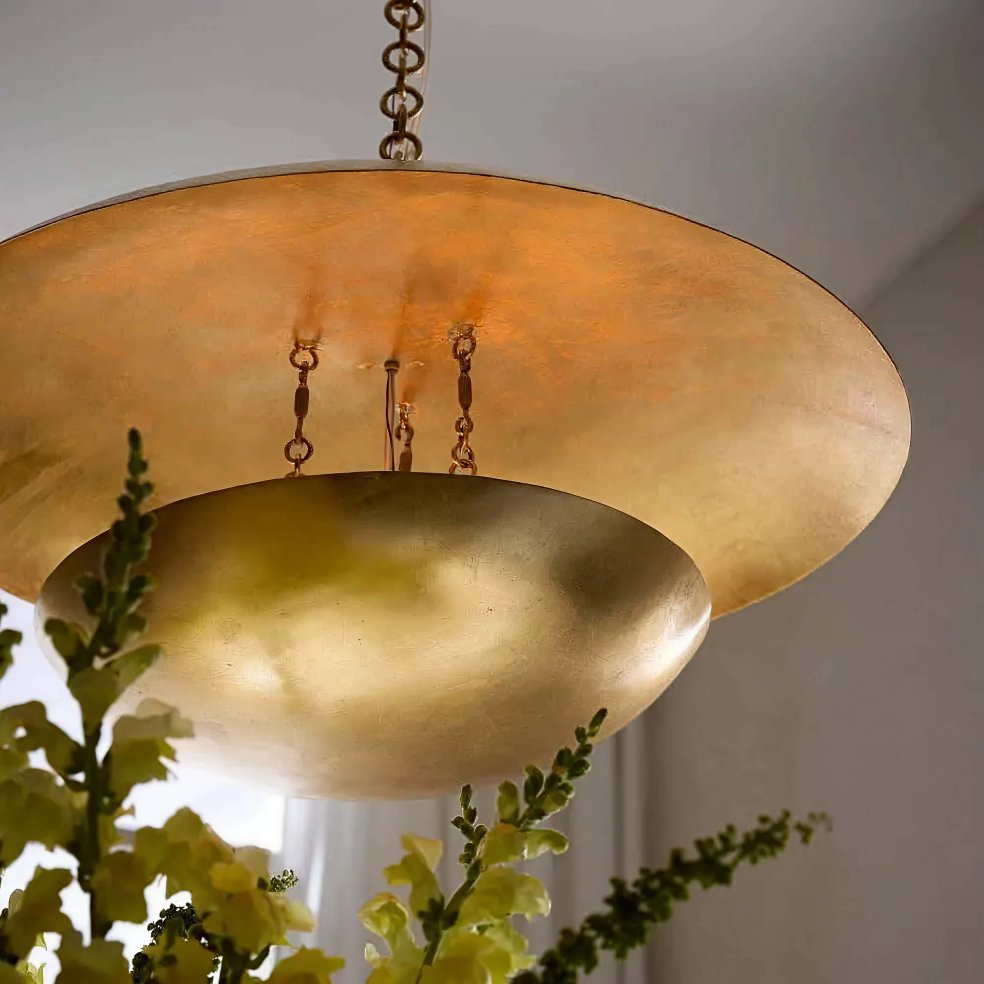
Garden lighting has the power to shift an outdoor space from a beautiful daytime setting to a functional and visually compelling living space after dark. Whether you’re putting the finishing touches on a sweeping estate garden or a refined urban terrace, thoughtfully designed exterior illumination defines architecture, highlights plantings, and extends the livable hours of your most-loved outdoor spaces. From statement pendants to barely there border lighting, these curated garden lighting ideas act as a blueprint for an exterior lighting plan that reflects the same level of intention as your home’s interiors.
Mastering Garden Lighting Design: The Essentials
The most successful garden lighting design schemes begin with a clear methodology, an understanding of spatial hierarchy, and a commitment to both visual beauty and practical function.
The 3-Layer Lighting Method: Ambient, Task, and Accent
The 3-layer framework used for interior lighting translates seamlessly to exterior spaces. Ambient lighting forms the base layer, providing overall illumination through overhead sources or wall-mounted sconces positioned at key intervals. Task lighting addresses specific functional needs, such as illuminating an entrance or an outdoor cooking station. Accent lighting adds an artistic touch, directing focused light toward water features or architectural details to create contrast and depth.
The interplay between these three layers determines the space’s overall atmosphere. A garden lit only with ambient sources feels flat and uninspired, while one that leans entirely on accent lighting can feel dramatic but disorienting. When each of the three layers is properly executed, the outdoor space feels balanced and usable at any hour.
Strategic Placement for Architectural Impact
Where you place a fixture matters as much as which fixture you choose. Wall-mounted sconces flanking an entrance emphasize symmetry and arrival, while a pendant suspended above an outdoor dining table anchors the space and draws the eye downward.
Think in terms of sight lines. Stand at your primary vantage points, whether that is the main living area looking out, the dining terrace, or the garden gate, and identify what you want to draw the eye toward. The fixtures themselves should speak to the architectural context they serve.
Balancing Form, Function, and Silhouette
For a garden lighting scheme that elevates your outdoor space throughout the day, treat every fixture as a design object first and a light source second. The best outdoor pendants and sconces equally balance form and function by acting as a sculptural accent during the day and defining the atmosphere and character of the space at night. If a piece only works in the dark, it is doing half the job.
Curated Garden Landscape Lighting Ideas by Zone
A well-lit garden is a well-zoned garden. Breaking an outdoor space into distinct areas, each with its own lighting character, creates a layered experience that rewards exploration and sustains visual interest.
1. Pathway and Walkway Illumination
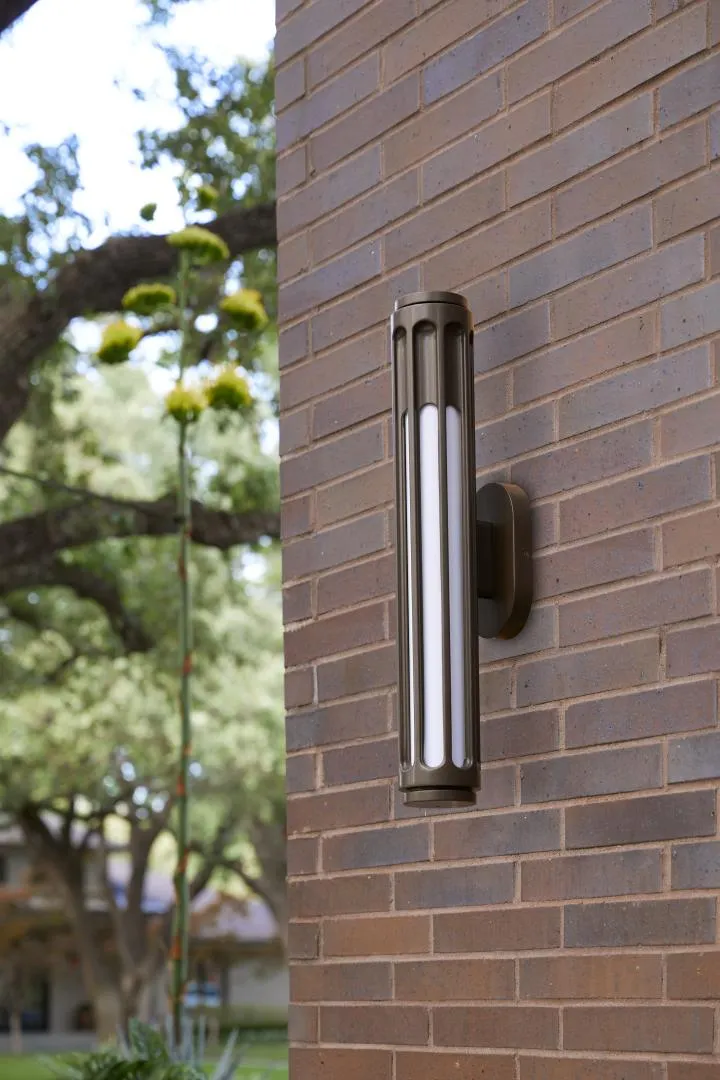
Lighting positioned at key junctions along a path, at a gate, or at the top and base of a flight of steps creates a luminous sequence that safely guides visitors through the space and creates drama. Rather than flooding a space with flat light, the goal is to illuminate the journey by drawing visitors forward.
For a more refined approach, consider placing sconces like the minimalist, lantern-like Everest Outdoor Sconce at varying heights along a garden wall to create a gentle rhythm of light.
2. Highlighting Trees, Botanicals, and Sculptures
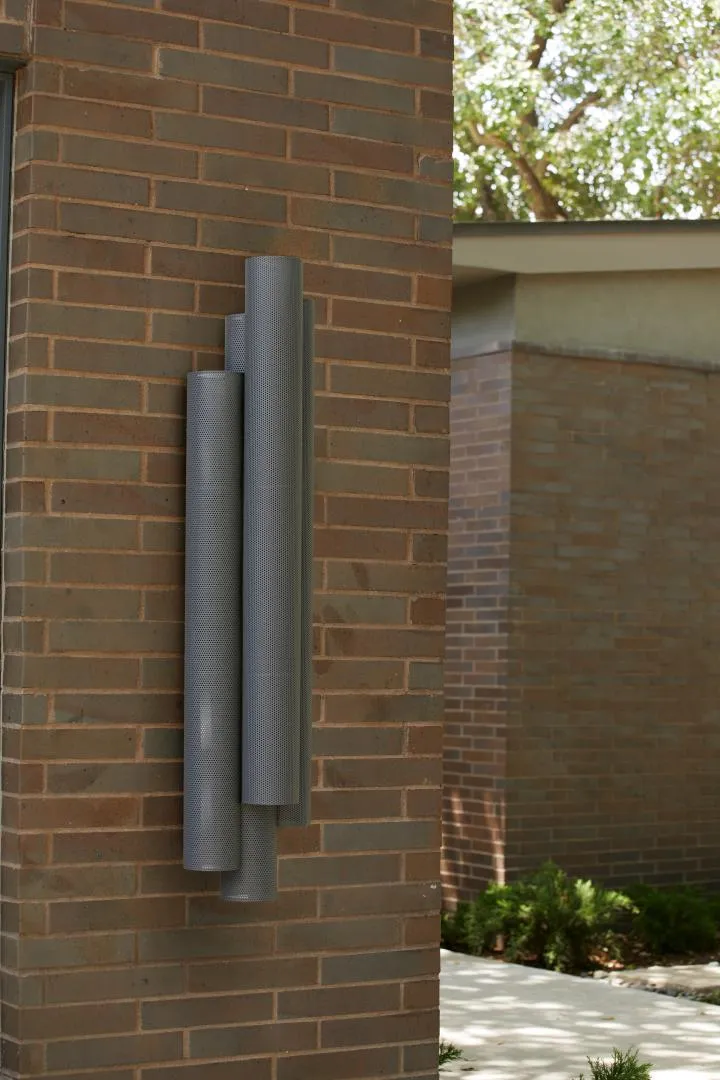
An outdoor space’s greenery and art deserve to be celebrated after dark just as much as they are in daylight. A sconce mounted to a nearby wall or garden structure and angled toward a tree reveals its form and texture in ways that flat daylight obscures.
To highlight outdoor sculptures, place a directional sconce, such as the circular Chance Outdoor Sconce, slightly to one side to reveal the piece’s three-dimensionality through shadow. For botanicals with architectural form (agaves, palms, or structural ferns), a single well-directed fixture can produce a strong visual impact with minimal equipment.
3. Garden Bed and Border Lighting
Garden bed and border lighting is one of the most underutilised elements in exterior design. When placed adjacent to a planted border, the right fixture washes soft light across groundcover plants, highlights the structure of perennial groupings, and defines the edge between planting and lawn. The Chadwick Outdoor Sconce, for example, features a conical shape that spotlights planted areas.
4. Water Feature and Poolside Ambience
Reflecting light off a pool or water feature’s surface is a surefire way to add a soft, ethereal shimmer to an outdoor space. The reflective quality of still or moving water does much of the design work; the fixtures simply need to be positioned to take advantage of the show.
To create a safe and inviting atmosphere after dark, place lanterns (such as the Corbin Outdoor Lantern) along the poolside or at transition points between the water and living space.
5. Boundary, Fence, and Retaining Wall Lighting
Boundary lighting defines the perimeter of a space and transforms a fence or wall into an architectural feature. Sconces mounted at regular intervals along a boundary wall direct light both upward and downward, revealing texture in the surface material and creating a sense of depth and drama.
For privacy-conscious spaces, lighting the boundary inward rather than outward keeps the scheme contained and prevents glare from spilling into neighbouring properties. An enclosed outdoor sconce, such as the Punch Small Outdoor Sconce, placed along a boundary wall, creates a sense of enclosure that makes the garden feel more intimate.
Modern Garden Lighting Ideas for a Sculptural Look
Contemporary garden aesthetics favour restraint, precision, and materiality. The fixtures chosen for a modern exterior scheme should be able to hold their own as objects in daylight, not simply disappear into the background.
6. Statement Lighting: Outdoor Pendants and Chandeliers
Suspended above a dining table on a covered terrace or within a pergola structure, a pendant or chandelier anchors and illuminates an outdoor gathering space. Look for fixtures with weather-rated enclosures and marine-grade hardware when specifying for outdoor use. In a minimalist setting, a single oversized pendant with a simple geometric form, such as the Reeves Large Outdoor Pendant, often makes a stronger statement than multiple smaller fixtures.

Design: @sandedesigns
Construction by @bermanbuilding
7. Minimalist and Architectural Wall Sconces
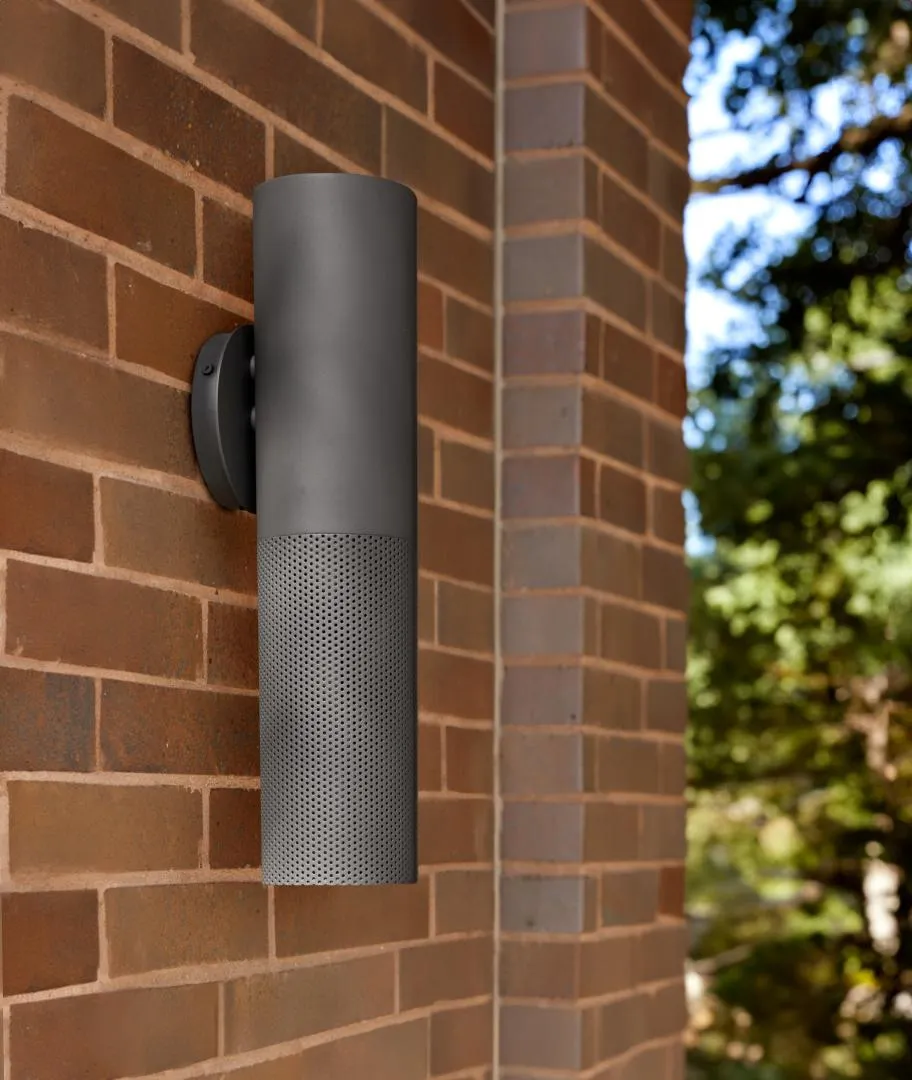
Wall sconces are among the most versatile exterior lighting solutions available, equally at home flanking a front entrance, marking intervals along a garden wall, or defining the transition between the patio and the lawn. In a modern or architecturally-led scheme, choose sconces with clean geometry and a precise, controlled light distribution.
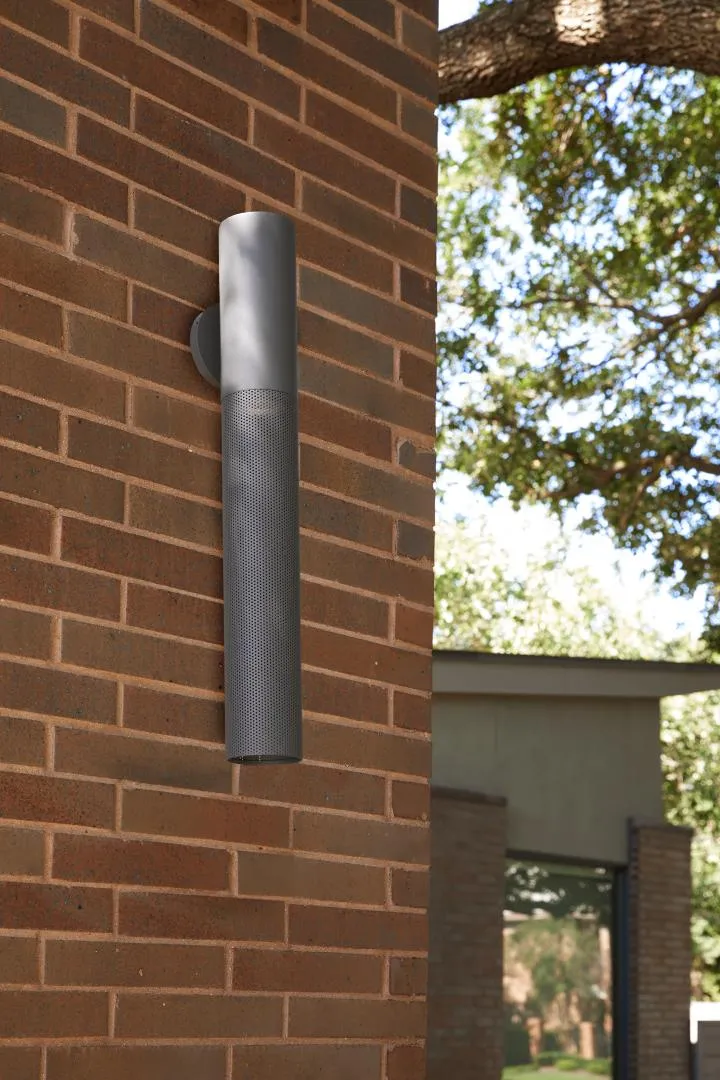
Directional sconces, including the Chance Outdoor Sconce, project light upward, downward, or in a defined arc and help shape the visual character of a wall or facade with intention. The finish you choose, whether aged brass, matte black, or warm bronze, should align with the broader material palette of your exterior so that each sconce reads as part of a cohesive scheme rather than a standalone addition.
8. Portable Lanterns for Transitional Spaces
Whether you are moving from the dining table to a lounge chair by the fire pit, or shifting an evening gathering from the upper patio to the lawn, a portable lantern travels with you and brings the same quality of light to wherever the evening takes you.
The best portable lanterns feel intentional in any position, whether on a table, a low wall, or a garden step, and complement your fixed sconces and pendants. Crafted with opal glass and marine-grade iron in an Art Deco-inspired silhouette, the Corbin Outdoor Lantern holds its own as a decorative object when not in use.
Backyard Garden Lighting Ideas for Elevated Entertaining
An outdoor space designed for entertaining demands a lighting scheme that can shift between modes with minimal adjustment.
9. Patio and Alfresco Dining Illumination
The heart of outdoor entertaining, the patio deserves the same thoughtful lighting as an interior dining room or living room. A pendant positioned above the table anchors the dining area within the larger space, while sculptural candle holders and hurricanes placed on top of the table create an intimate atmosphere. To encourage conversation and invite guests to linger, position sconces along a wall that serves as the backdrop to outdoor lounge furniture.
Dimmer controls are non-negotiable in a well-specified entertaining scheme. The ability to modulate light levels throughout an evening allows the space to shift from active and bright during food service to soft and social as the evening progresses.
10. Pergola, Gazebo, and Overhead Canopy Lighting
With the simple addition of lighting, a pergola or gazebo transforms into an outdoor room. A pendant or cluster of pendants suspended from the ceiling immediately defines the space as intentional and designed. For larger structures, multiple pendants at varying drop heights create visual rhythm and ensure the light is distributed evenly across the entertaining area below.
Sconces mounted to the internal uprights of a pergola or gazebo complement the overhead source and bring light down to a more intimate level, particularly useful for built-in seating areas or bar stations within the structure. Together, the two fixture types create a complete, interior-grade lighting scheme within an outdoor setting.
11. Fire Pits and Intimate Evening Ambience
Since a fire pit is a lighting source in itself, the design challenge is complementing its natural, flickering warmth without competing with it. Sconces mounted to nearby structures at a low intensity and in a warm colour temperature serve as a soft surround that keeps the fire at the centre of the visual experience.
Position sconces toward the boundary of the seating area rather than directly beside the fire, so they mark the edges of the space without introducing glare at eye level. Portable lanterns at seating height reinforce the warmth of the fire without electricity. The most successful fire pit settings rely on restraint, allowing the fire to do the design work.
Garden Outdoor Lighting Ideas: Materiality and Technical Elegance
Lighting design is as much about specification as it is about style. The materials, ratings, and technology behind your chosen fixtures determine how your scheme performs over time.
12. Designing with Wet-Rated and Damp-Rated Fixtures
Every fixture specified for outdoor use should carry an appropriate IP (Ingress Protection) rating for its intended location. Wet-rated fixtures, typically those with an IP65 rating or above, withstand direct rain and are suitable for fully exposed positions. Damp-rated fixtures (IP44 to IP54) are appropriate for covered or semi-sheltered positions such as a porch ceiling or the interior of a pergola.
For sconces mounted to boundary walls or exterior elevations in fully exposed positions, a wet-rated specification is essential. Pendants installed beneath a covered terrace or pergola generally require a damp rating at a minimum. A lighting designer or qualified electrician will confirm the appropriate specification for each zone of your garden.
13. Enduring Materials: Brass, Bronze, and Marine-Grade Finishes
The finest outdoor fixtures are made from sustainable materials that age gracefully and hold their integrity in harsh weather conditions. Solid brass develops a warm patina over time that many consider an enhancement. Bronze offers similar durability with a slightly darker, more architectural tone. Marine-grade stainless steel and powder-coated aluminium are the workhorses of coastal and high-exposure settings, resisting corrosion where other metals would deteriorate.
Avoid fixtures constructed primarily from thin-gauge zinc alloy or painted plastic in a high-end exterior scheme. Investing in well-made sconces and pendants pays dividends in both aesthetics and maintenance over time, with quality materials requiring far less intervention to maintain their appearance across seasons.
14. Integrated LED vs. Artisan Glass Options
LED technology has become the standard for outdoor lighting, and rightly so. Integrated LED modules offer exceptional energy efficiency, long lamp life, and precise color temperature control. For a scheme designed to run consistently over many hours each evening, the cost savings relative to halogen are significant.
Artisan glass pendants and sconces provide individuality and character to a luxury outdoor space. Hand-blown or textured glass diffusers produce a quality of light that feels inherently more human. Both approaches need not be mutually exclusive. An LED-powered pendant or sconce with a hand-blown glass shade brings together the best of both disciplines.
Inspiring Lighting Ideas for Garden Aesthetics and Cohesion
Cohesion, consistency, and an understanding of architectural context are what separate a fluid lighting design from a collection of disjointed individual choices.
15. Matching Fixtures to Your Exterior Architecture
A Georgian townhouse, a mid-century modern villa, and a Scandi-influenced new build each demand a different lighting language. Heritage architecture benefits from lantern-form sconces and pendants in warm metals with classic proportions and traditional craftsmanship. Contemporary architecture calls for minimal sconce profiles, geometric pendant forms, and precise detailing that reads as resolved rather than decorative.
Study the material palette of your exterior, its stonework, rendered surfaces, timber elements, and metalwork, and select fixtures that speak the same design dialect. A single consistent finish across all exterior sconces and pendants, whether aged brass, matte black, or satin nickel, creates a sense of intention and discipline that elevates the overall scheme.
16. Using Shadows and Silhouettes as Design Elements
The most sophisticated garden lighting schemes use shadow as deliberately as they use light. A textured stone wall grazed by the output of a directional sconce becomes a study in surface and depth. A boldly branched tree positioned within the throw of a nearby pendant creates a dramatically scaled silhouette across pale, rendered walls. A slatted pergola ceiling illuminated from a pendant above produces a rhythmic pattern of stripes and shadow that functions as graphic design.
Train your eye to see the negative spaces created by your lighting, not just the illuminated surfaces themselves. The tension between light and dark is where the most interesting visual moments in a garden scheme are found.
Common Garden Lighting Mistakes to Avoid
Even well-intentioned garden lighting ideas can fall short when a few key principles are overlooked.
1. Overlighting is among the most common errors. A garden flooded with brightness loses all sense of depth, mystery, and atmosphere. Selective illumination from well-positioned sconces and pendants produces far more compelling results.
2. Inconsistent color temperatures are another frequent misstep. Mixing warm white (2700K) with cool white (4000K) or daylight (5000K) sources creates visual dissonance. Settle on a single color temperature across all pendants and sconces in a scheme, with warm white being the most flattering choice for the majority of garden settings.
3. Selecting fixtures without regard for finish cohesion is equally disruptive to the overall aesthetic. Choose one metal finish and commit to it throughout.
4. Finally, overlooking the view from inside the house is a common omission. Your garden lighting scheme should be considered from the interior looking out as well as from the garden itself.
Final Thoughts
Great exterior lighting is ultimately about knowing which fixtures deserve a permanent place in your scheme and which ones earn their keep by being wherever you need them most. Use these garden lighting ideas as a framework for making those decisions with the same confidence and craft you bring to every other element of your home.
Frequently Asked Questions About Garden Lighting Ideas
What Are the Best Statement Lights for a Garden at Night?
Oversized outdoor pendants and sculptural wall sconces make the greatest impact. Choose fixtures in solid brass, bronze, or matte black that function as design objects during the day and compelling focal points after dark.
How Do I Ensure My Outdoor Lighting Withstands the Elements?
Fixtures made of solid brass, marine-grade stainless steel, and powder-coated aluminium offer the most reliable long-term performance outdoors.
How Do I Transition My Interior Design Style to the Outdoors?
Identify the key materials, finishes, and palette of your interior and carry those elements outward to create a cohesive design dialogue between the two spaces.