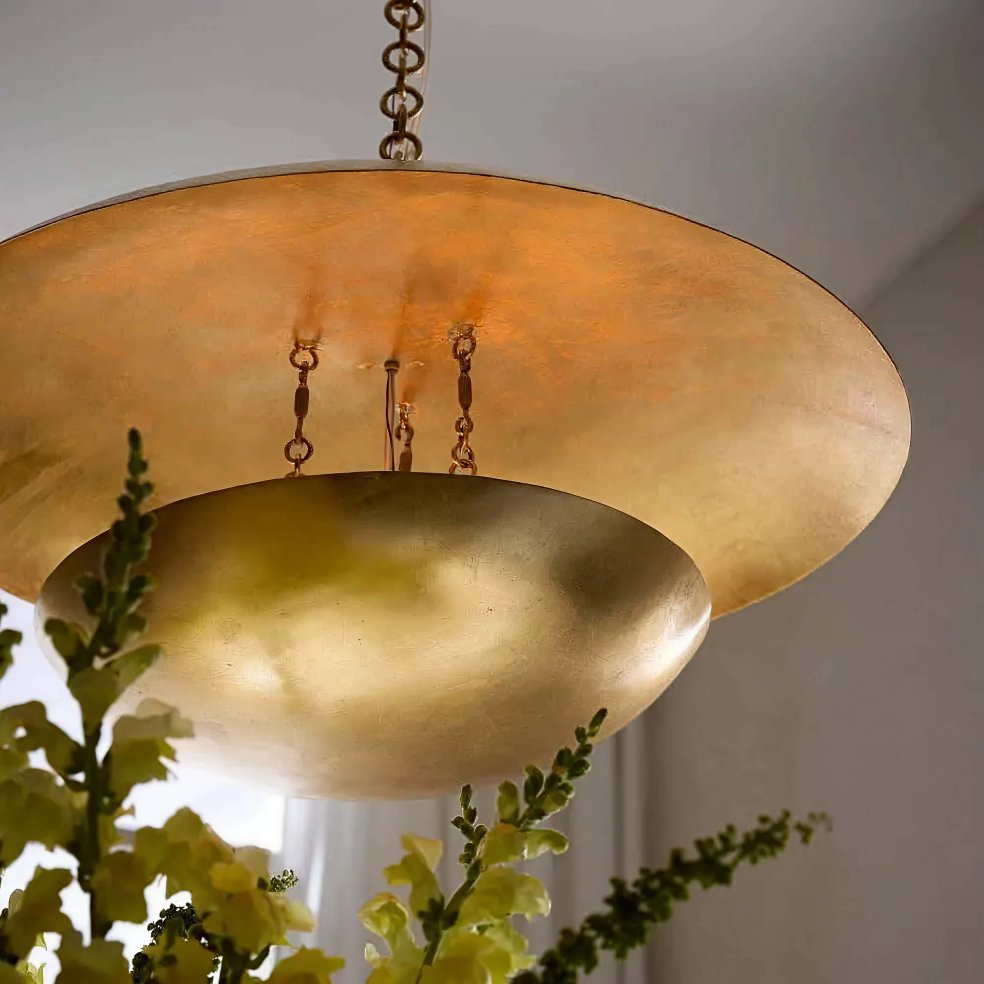
A hallmark of personalized interiors is a perspective-driven touch. In the dining room, mixing and matching dining chairs is one of the most effective ways to add a touch of unexpected elegance. Varied silhouettes and materials keep the eye moving, add depth to the composition, and prevent the space from reading as one-note or overly coordinated. The result feels thoughtfully collected rather than pulled straight from a showroom floor.
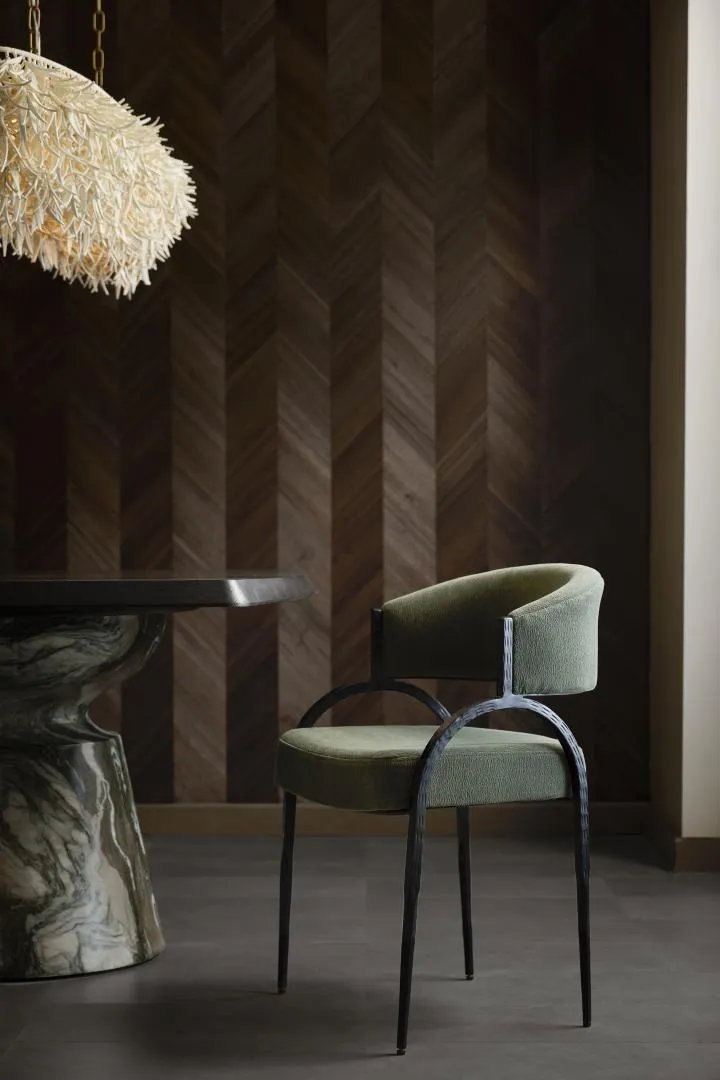
To ensure the look feels intentional rather than accidental, this dining chairs mix and match guide covers everything from foundational rules to specific material pairings, layout strategies, and stylistic inspiration. Whether you're starting from scratch or refining what you already have, here's how to mix and match dining room chairs beautifully.
How Mixed Dining Chairs Can Look Intentional
The difference between a dining room that looks curated and one that looks confused comes down to whether the mix of chairs has a logic behind it. Shared finishes, repeated silhouettes, and consistent scale all act as invisible connective tissue, allowing individual pieces to feel related even when they're clearly distinct.
Common Mistakes to Avoid
Creating a mix-and-match design scheme starts with knowing the common pitfalls.
-
Mixing too many styles at once. Two or three distinct chair types is usually the upper limit. More than that and the room starts to feel scattered rather than styled.
-
Ignoring scale. A low-slung occasional chair next to a high-backed dining chair creates visual tension that's difficult to resolve. Seat heights should remain consistent across the table; visual height above the seat can vary.
-
Letting contrast do all the work. Contrast is a tool, not a strategy. Every element that reads as different needs something nearby that reads as similar. That balance is what holds the room together.
-
Forgetting the table. The table isn't neutral ground. Its material, leg profile, and silhouette are all active participants in the overall composition. Chairs that ignore the table tend to float rather than anchor.
What Makes Mixed Dining Chairs Work
The most successful mixed dining chair arrangements share a few structural qualities. They establish a clear hierarchy, repeat at least one element across every seat, and maintain physical consistency even while varying in form.
Table: How to Create a Cohesive Chair Mix
Use this dining chairs mix and match guide as a quick reference when building your collection.
|
Element to Vary |
What to Keep Consistent |
Notes |
|---|---|---|
|
Chair silhouette |
Seat height and scale |
Mixing shapes works when proportions align |
|
Upholstery fabric |
Frame finish or color |
Different textures, same tone family |
|
Material (wood vs. metal) |
Overall color palette |
One or two metals max; anchor with a neutral |
|
Back profile (open vs. upholstered) |
Leg style or finish |
Contrast at the top, cohesion at the base |
|
Chair style (traditional vs. modern) |
A shared material detail |
Even one common element creates continuity |
Repeat a Tone, Material, or Silhouette
Repetition is what keeps a mixed arrangement from looking accidental. Pick one element and carry it through every chair at the table. If every seat shares the same finish, the eye reads the group as a set even when the forms are completely different. If every chair has an upholstered seat, the room feels cohesive regardless of whether the frames are wood or metal. Identify that single through-line first, then build the mix around it.
Keep Seat Height, Scale, and Proportion Consistent
Physical consistency matters as much as visual consistency, so check seat height before committing to any combination. All chairs at the table should land between 17 and 19 inches from floor to seat, keeping everyone dining at the same level. Beyond height, look at seat depth, arm height, and overall mass. A chair that feels obviously smaller or larger than its neighbors will disrupt the balance even if everything else aligns.
Scale relative to the table requires the same attention. Before pairing a delicate side chair with an oversized upholstered arm chair, ask whether the proportional gap feels like a deliberate choice or an oversight. If the larger chair dominates, anchor it with something else in the room that carries similar visual weight.
Balance Contrast With Repetition
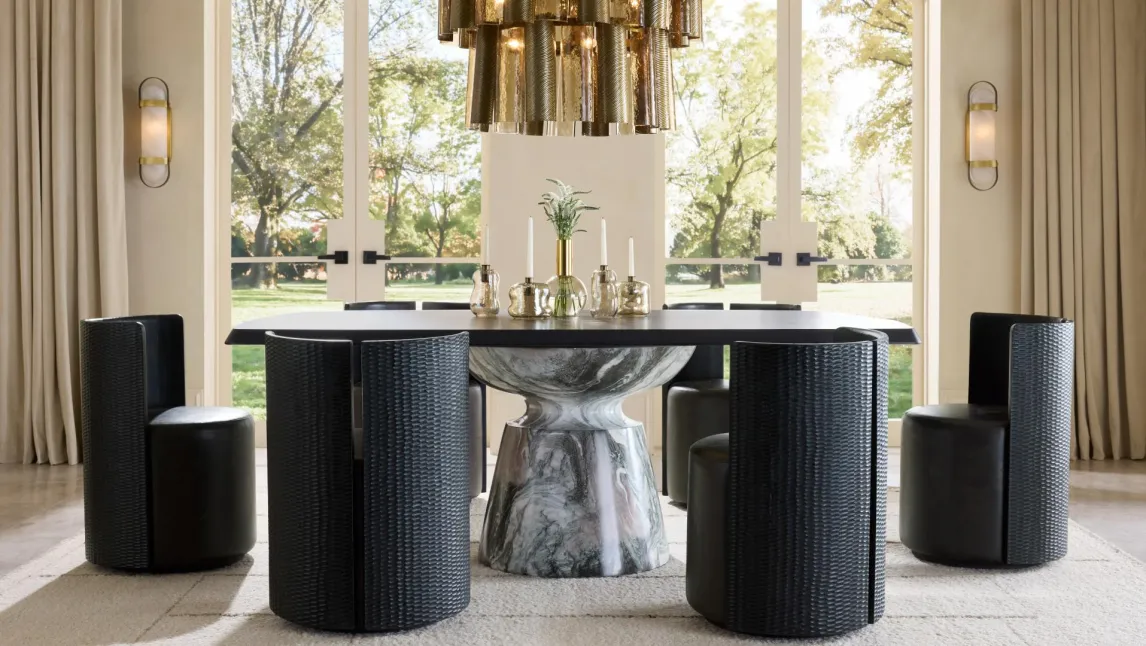
Every decision to introduce contrast calls for a corresponding decision to repeat something. Bring in a different material, and echo a finish. Add an upholstered seat among bare ones, and repeat the fabric color elsewhere in the room. That push-and-pull is what keeps a mixed arrangement from reading as arbitrary.
Use this as a gut check: remove one chair from the table mentally and look at what remains. If the group still feels related, you've established enough connective tissue. If it falls apart without that one piece, the mix is leaning too hard on a single element. Add another point of repetition and reassess.
What Is the Rule of 4 in Dining Room Design?
The rule of 4 in dining room design is a loose principle suggesting that visual interest is best achieved by grouping elements in sets of four or by limiting the number of distinct types within a category to four or fewer. In practice, this means that a table with four matching side chairs and two distinct host chairs at the ends is more resolved than a table with six completely different chairs. Four of one type, two of another creates a clear hierarchy that reads as intentional.
Start With Your Dining Table
The dining table is the fixed point around which all chair decisions orbit. Its shape, material, and visual weight define the range of chairs that will feel at home around it.
Match Chairs to the Table Silhouette
Let the table's base determine how much visual weight the chairs can carry. A round pedestal table is the most forgiving starting point: with no legs competing for space, almost any chair profile works around it. Rectangular tables with trestle or four-leg bases have more structural presence, so reach for chairs with lighter profiles, open backs, or slender legs to avoid a crowded base.
Look at the table's detail level before choosing chair forms. If the table has carved legs, a statement base, or visible joinery, choose chairs with cleaner, simpler profiles so the table stays the anchor. If the table is minimal, the chairs take on more of the room's decorative responsibility and can afford more personality.
Pair Dining Chairs With Table Materials
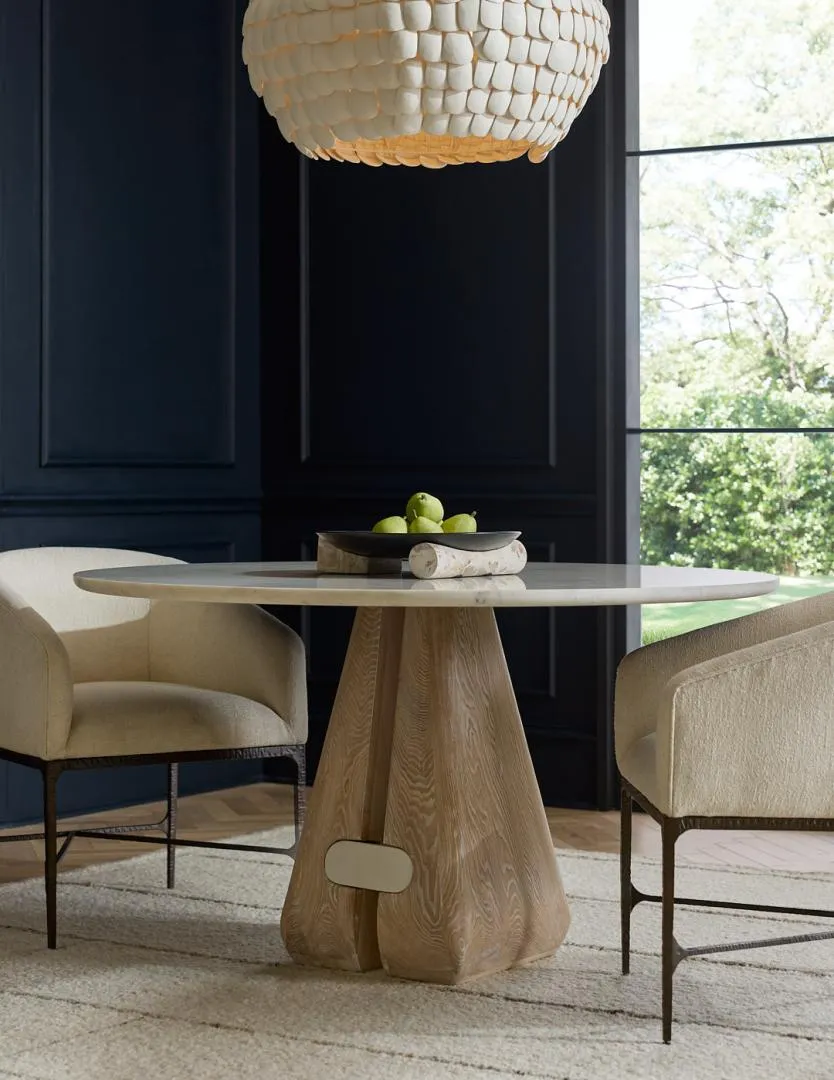
Use the table's primary material as a guide when choosing mix-and-match dining chairs. A solid oak table reads warmly with woven cane, natural linen upholstery, or leather. For a marble-top table with a metal base, try upholstered velvet chairs, lacquered wood, or seats with polished brass accents.
The pairing doesn't need to match exactly. A walnut table surrounded by chairs in a lighter ash, or with brass hardware as the common thread, reads as deliberately coordinated rather than uniform. Aim for intentional conversation between materials rather than repetition of them.
Balance Modern and Traditional Forms
Pairing chairs from different eras is one of the more rewarding moves in a mixed dining room, but it requires at least one shared quality to hold the combination together. Before placing a classic turned-leg chair next to a contemporary upholstered seat, make sure they share a finish, a material, or a color temperature. That common ground is what makes the contrast feel considered rather than random.
When the bridge is there, the tension between old and new becomes an asset. A sleek modern bench reads differently, and better, when paired with carved traditional chairs on the opposite side. Each form makes the other more interesting.
Mixed Dining Chair Layout Ideas
How chairs are arranged around a table shapes the visual impact of the mix. Some approaches are symmetrical and restrained; others lean into asymmetry and visual rhythm.
Statement Host Chairs at the Ends
Placing distinct host chairs at the head and foot of a rectangular table is one of the most classic expressions of how to mix and match dining chairs. The host chairs read as architectural punctuation, marking the ends of the table as distinct from the sides without disrupting the overall symmetry.
Host chairs are typically larger and more upholstered than the side chairs, which creates a natural hierarchy. In formal interiors, this might mean a pair of high-backed wing chairs flanking a set of slimmer side chairs. In a more casual setting, a pair of armchairs in a different material accomplishes the same effect with less ceremony.
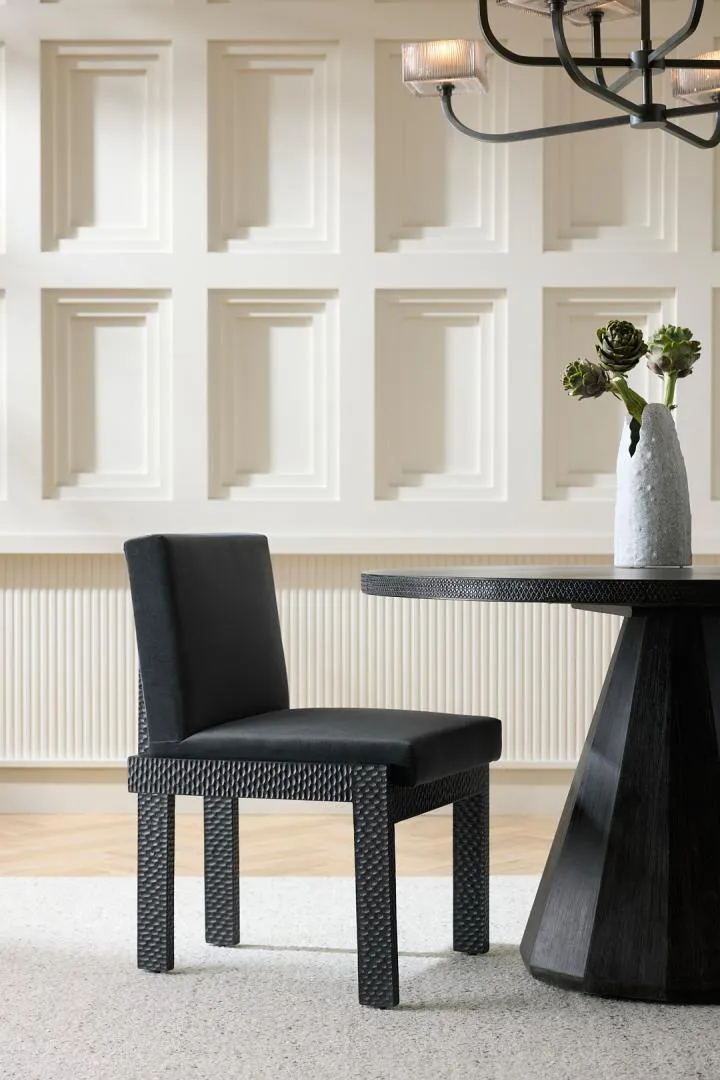
Alternating Two Chair Styles
Alternating two chair styles around the perimeter of the table creates a thoughtful rhythm that feels pattern-like. This works especially well with round tables, where the repetition has nowhere to asymmetrically resolve. The two chair types should agree on at least one quality, whether it be finish, seat height, or general silhouette.
Pairing Benches With Dining Chairs
Placing a bench along one side of a dining table and chairs on the other is a practical and visually interesting arrangement that has become a staple of casual and transitional dining rooms. The bench brings a horizontal, low-profile element to one side that contrasts with the more vertical, individual forms of the chairs. It also accommodates more guests comfortably and signals a relaxed, gathered quality.
For the pairing to work, the bench and chairs should share at least one material or finish detail. An upholstered bench in the same fabric as a seat cushion on the chairs, or a bench in the same wood tone as the chair frames, keeps the pairing from reading as mismatched.
Mixing Chairs on Long vs Round Tables
If you have a long rectangular table, use the ends to make a statement and keep the sides consistent. Place a uniform side chair along each flank and reserve the head and foot for a distinct host chair in a different material, silhouette, or scale. If you want a more eclectic result, alternate two chair styles along the full perimeter instead, just make sure the two types share at least one finish or material detail to keep the rhythm from feeling chaotic.
Round tables call for a different strategy. With no inherent head position, every seat carries equal visual weight, which means the mix needs to feel balanced all the way around. Alternate two chair styles evenly, or pair upholstered and bare seats in a consistent pattern. Keep the forms close enough in scale that no single chair pulls focus, and let the material or finish variation do the work.
Dining Chair Combinations by Color, Material, and Shape
Material and color decisions have a strong impact on how a mixed chair arrangement reads. These four combinations are among the most naturally compatible pairings in dining room design.
Upholstered and Wood Dining Chairs
This combination works across virtually every interior style, from rustic farmhouse to contemporary minimalism, because it satisfies the need for both comfort and form. Wood chairs bring structure and visual weight while upholstered seats introduce softness, texture, and color.
For the pairing to feel deliberate, the wood finish on the chairs should coordinate, even if the profiles differ.
Metal Frames and Organic Textures
Metal-framed chairs, whether in brass, blackened steel, or brushed nickel, pair well with chairs that have an organic quality or natural linen upholstery. The industrial precision of the metal reads as a foil to the warmth and irregularity of the natural material, and the combination produces a layered, high-low tension that feels current.
The finish of the metal matters. Warm metals, such as antique brass or unlacquered brass, pair naturally with warm organic tones like rattan, natural linen, or leather. Cooler metals like brushed nickel or matte black tend to read better with crisper, more minimal organic textures.
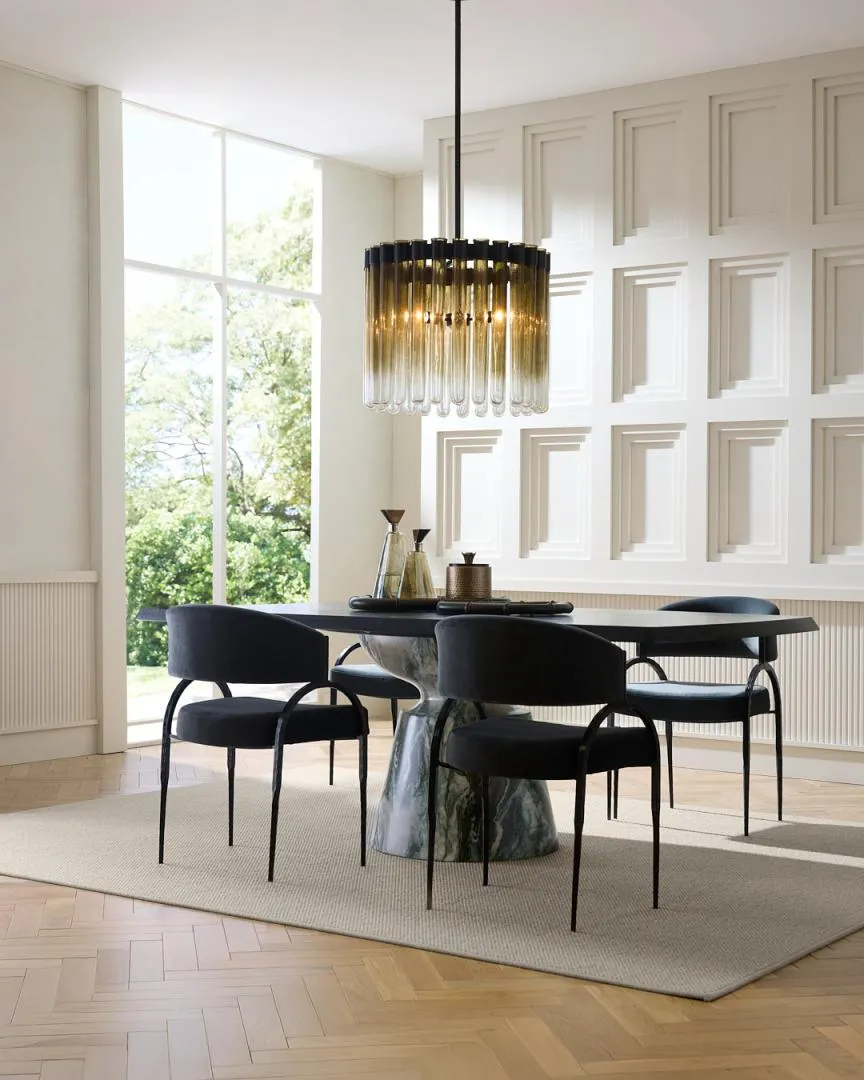
Curved and Angular Silhouettes
Mixing curved and angular chair profiles is one of the more unexpected and rewarding combinations. A round-backed upholstered chair alongside a more angular slatted chair creates a visual rhythm that keeps the eye moving around the table. The contrast prevents any one silhouette from dominating and makes the overall arrangement feel more dynamic.
For this combination to work, scale needs to stay consistent, and the two forms should share at least a finish or material detail that visually ties them together.
Neutral Palettes With Sculptural Contrast
When the room's palette is restrained, chairs can carry the visual weight by varying in form rather than color. An all-neutral dining room, one built around warm whites, natural linens, and blonde wood, benefits from chairs that introduce sculptural interest.
The key is that the sculptural contrast operates within the same tonal range. A beautifully formed chair in a warm natural material reads as quiet drama in a neutral room. A brightly colored chair in the same setting can feel overpowering.
Mix Dining Chairs by Interior Style
Different interior styles call for different mixing strategies. Here's how to approach your mix-and-match formula depending on the aesthetic you're working within.
Modern Dining Rooms With Bold Contrast
In a modern interior defined by clean geometry and a restrained material palette, mixed chairs work best when the contrast is bold and the forms are simple. Chairs with dramatically different silhouettes, such as an upholstered curved back next to a minimal slatted wood seat, lands as an intentional design gesture rather than an oversight.
Modern spaces can absorb a higher degree of formal contrast because the architecture and surrounding elements are already doing the work of establishing order. The chairs become graphic elements within a resolved composition.
Minimalist Interiors With Soft Texture
In a minimalist dining room with restrained tones and silhouettes, the chairs are one of the few opportunities to introduce tactile warmth. A mix of bare-wood chairs with a pair of softly upholstered seats in a natural bouclé or textured linen introduces the sensory quality the room needs without disrupting its overall clarity.
In minimalist spaces, the mixing principle is about texture more than form. Keep silhouettes similar and let the material variation carry the interest.
Eclectic Dining Rooms That Feel Collected
Eclectic interiors have the most freedom and require the most discipline. A room styled around an eclectic sensibility can absorb greater variety in chair forms, materials, and even finish families, but it needs a strong unifying element to prevent the mix from reading as random.
In eclectic spaces, that unifying element is often color or overall tonal temperature: a room where every chair, regardless of form, falls within the same color range will feel cohesive even with four completely different chair profiles.

Creating a Dining Room That Feels Collected
To create a room with a collected quality, the lighting, the table, the chairs, and the dining room accessories should all carry a consistent point of view. The chairs are one layer of that composition, but they're most successful when the rest of the room supports them.
The dining room lighting is especially important. A chandelier that shares a finish detail with the chair frames, even a passing reference in the metal tones, creates an invisible thread between the ceiling and the floor that makes the whole room feel composed. For a deeper look at how lighting choices shape the mood and scale of a dining room, this dining room lighting guide covers sizing, placement, and fixture styles in detail.
Beyond the fixtures, the textiles and objects on and around the table matter. A centerpiece, a set of candlesticks, or a runner in a fabric that echoes the upholstery on the chairs builds the kind of quiet repetition that makes a room feel resolved.
Frequently Asked Questions
How Many Chair Styles Can You Mix Together?
Two to three distinct chair styles is the sweet spot. Beyond that, the mix tends to read as unresolved. A clear hierarchy, usually four of one style and two of another, keeps the arrangement feeling intentional.
Should Dining Chairs Match the Table?
Chairs should relate to the table, not match it exactly. Shared material tones, complementary finishes, and proportional alignment create cohesion without requiring uniformity.
Can You Mix Upholstered and Wood Dining Chairs?
Yes, and it's one of the most versatile combinations available. Keep the wood finishes coordinated and let the upholstery introduce color or texture within a consistent tone family.
What Colors Work Best for Mismatched Dining Chairs?
Neutrals and warm naturals are the most forgiving palette for mixing chairs because they allow form and material to do the work without color contrast creating visual noise.