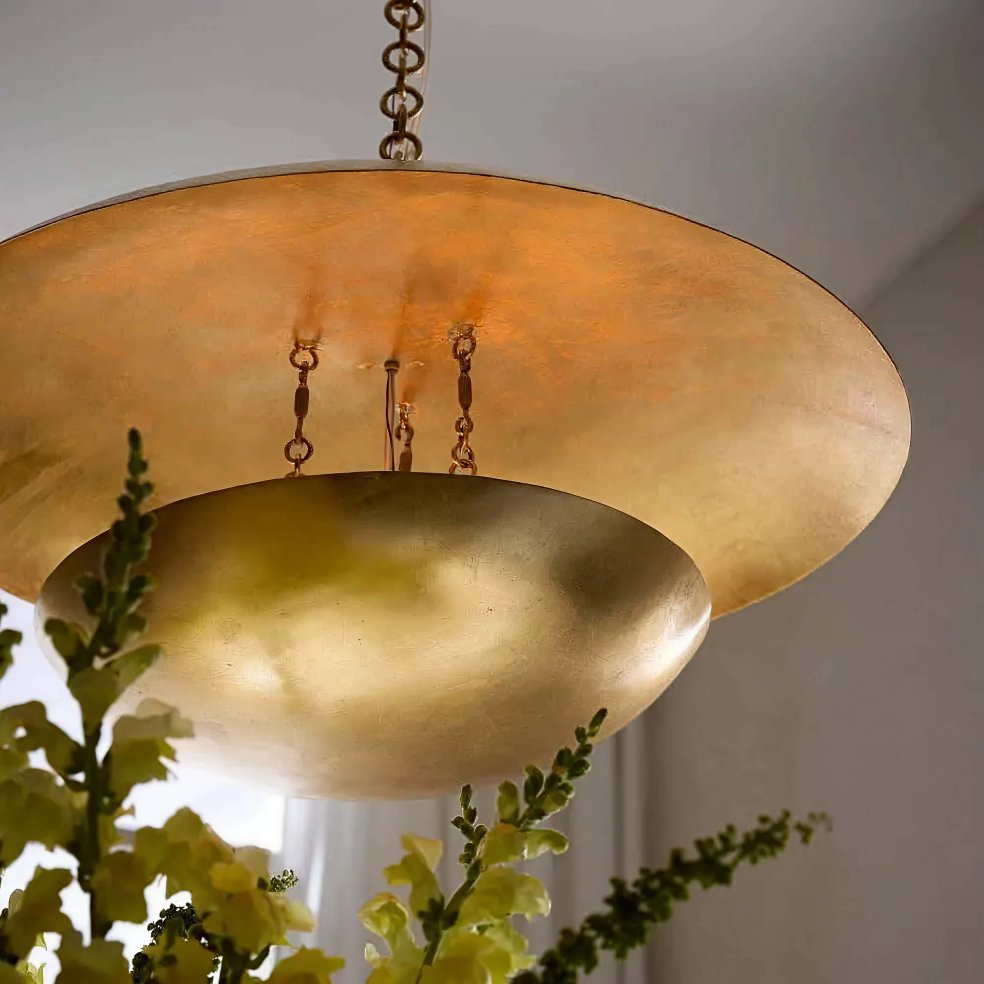
Design: @jdirelanddesign
Photography: @trevorbparker
One of the most powerful and underestimated tools in interior design is ambient lighting. This single category of lighting makes a room feel warm and romantic without being dim, layered without feeling busy, and present without demanding attention. Whether you are working with a sprawling open floor plan or a compact city apartment, the right ambient lighting ideas can transform how a space feels at every hour of the day.
To master ambient lighting in your home, brush up on these fundamental techniques, explore designer lighting that supports a layered home, and get inspired by 13 designer-approved approaches.
What Is Ambient Lighting?
Ambient lighting is the foundational layer of illumination in any room. Like a primer before a coat of paint, ambient lighting provides a tone-setting baseline that can be built upon with other layers of light.
Unlike task lighting, which targets a specific activity, or accent lighting, which highlights a particular object or architectural feature, ambient light envelops an entire room. While ambient lighting often comes from overhead sources, such as recessed can lights or a single flush-mount fixture, it can also be provided by a pair of floor lamps flanking a sofa or a row of kitchen island pendant lights.
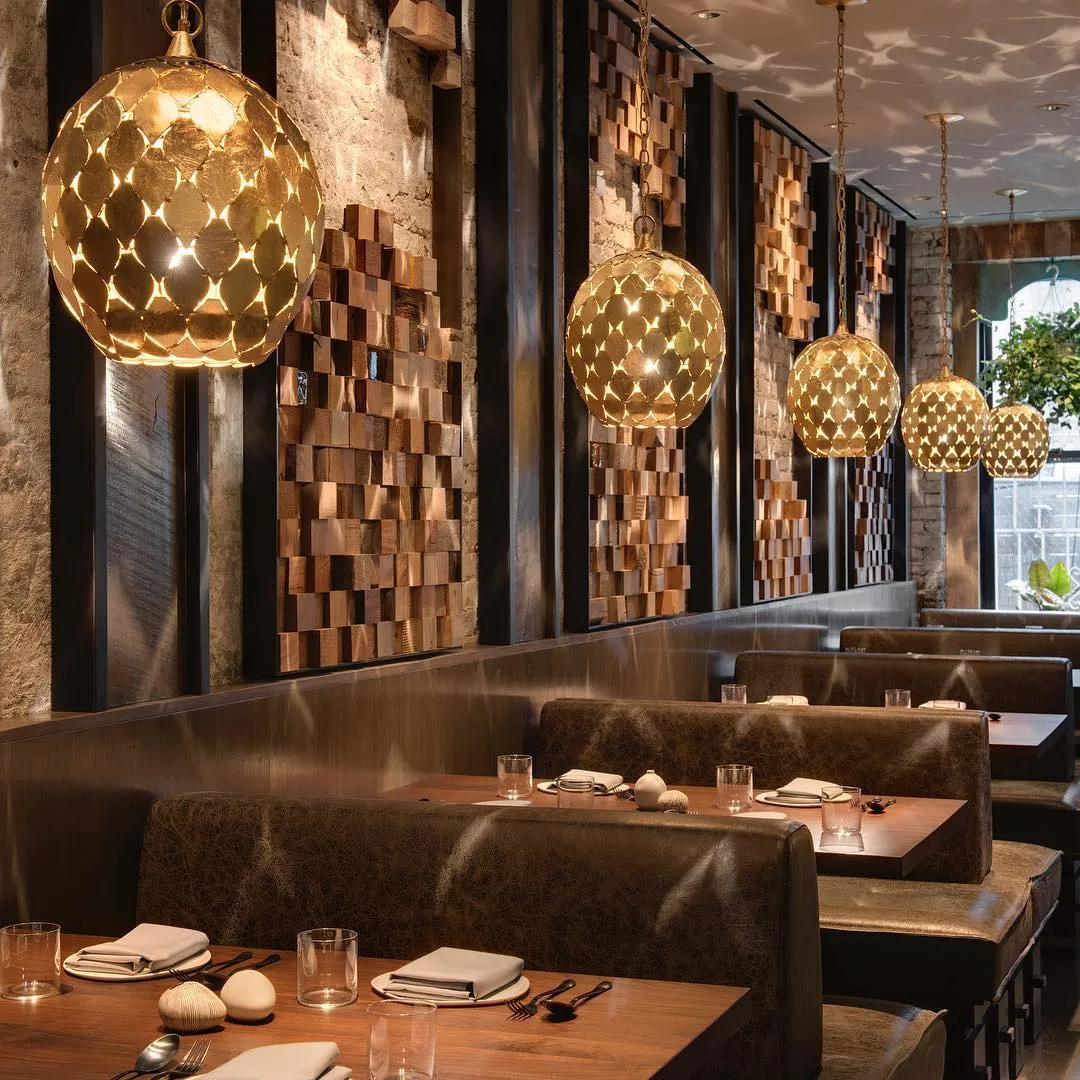
Design: @rockwellgroup
How Ambient Lighting Works
Ambient lighting bounces light off walls, ceilings, and floors to create an even, comfortable level of illumination throughout a space. The most effective ambient setups rely on multiple sources placed at varying heights, allowing light to fill the room from different angles simultaneously. Fixtures that diffuse light through shades, frosted glass, or fabric have a softer appearance than bare bulbs, which is why the choice of fixture matters just as much as the bulb inside it.
Ambient vs Task vs Accent Lighting
Use this chart as a quick reference differentiating between the three main types of lighting.
|
Type |
Purpose |
Common Fixtures |
Ideal Placement |
|
Ambient |
General illumination; sets overall mood |
Chandeliers, flush mounts, floor lamps, pendants |
Ceiling, walls, corners |
|
Task |
Focused light for a specific activity |
Desk lamps, under-cabinet strips, reading sconces |
Work surfaces, bedside, kitchen counters |
|
Accent |
Highlights objects, architecture, or art |
Picture lights, directional sconces, track lighting |
Walls, shelves, display niches |
Why Ambient Lighting Matters in Interior Design
Lighting affects every other design element in the room. The color of the walls, the texture of the upholstery, and the warmth of the wood-tone floors all read differently depending on the quality and source of the light falling on them. As the dominant layer in most rooms, ambient lighting carries an enormous influence over how a space feels.
By smoothing out imperfections, making colors appear richer, and encouraging people to relax and linger, soft ambient lighting helps a room feel inviting rather than purely functional. Rooms lit by a single bright overhead fixture tend to feel flat and institutional, regardless of how beautiful the furnishings are.
The right ambient lighting elevates high-end interiors, making well-curated rooms feel more warm, layered, and detailed.
13 Ambient Lighting Ideas and Examples for Every Room
Find inspiration for your home design project with these ambient lighting examples organized by room. Each one can stand alone or be layered with others for a more complete approach.
Living Room Ambient Lighting Ideas
As the hub of the home used for lounging, entertaining, and everything in between, the living room carries more lighting demands than almost any other space in the home. These living room ambient lighting ideas address that range without sacrificing design quality.

Design by @kennedytaylor.ad & @rachaelgac
Photos by @elizabethhaynesphotography
1. Layer a Statement Chandelier Over Recessed Ceiling Cans
On its own, recessed ceiling lighting can make a living room feel overly bright and washed-out. Layer a designer chandelier over the room’s seating area for a clear visual anchor and an added layer of soft light, and allow recessed cans along the perimeter of the room to handle the workhorse illumination.
To avoid a harsh glare, choose a chandelier with a diffusing shade or frosted glass. The Jacqueline Large Chandelier is a strong candidate, with a soft but sculptural presence well-suited to anchoring a living room vignette.
2. Anchor a Sectional With Sculptural Floor Lamps at Each End
Floor lamps placed at the ends of a sectional bring light down to the seating zone, creating a warm pool of illumination that overhead fixtures struggle to achieve on their own. Look for arc styles that reach over the sofa arm or torchiere forms, like the Stefan Floor Torchiere, that reflect light off the ceiling above.
3. Frame Conversation Zones With a Pendant or Wall Sconces
In an open-plan living room, lighting can define zones the same way furniture does. Hanging a pendant light over a side table or reading chair signals that this corner has a distinct purpose, while flanking a sofa or fireplace with a pair of wall sconces, like the Driscoll Wall Sconce, creates a symmetrical composition.
Bedroom Ambient Lighting Ideas
A bedroom's ambient lighting should transition easily from functional to restorative. The goal is a setup that feels calm and enveloping without being so dim that getting dressed or reading becomes a challenge. These bedroom ambient lighting ideas strike that balance.
4. Create a Soft Bedroom Glow With an Oversized Pendant
An oversized pendant centered over the bed replaces the default flush mount with a more commanding presence that casts soft, even light across the room. Unlike a recessed fixture, a large-scale pendant introduces architectural weight and a clear design intention to the bedroom.
Fabric and textured glass shades are particularly well suited to the bedroom, diffusing light broadly for a soft ambient glow. With its cotton and linen shade, the Middlebury Pendant delivers the kind of warmth that makes a bedroom feel cozy and chic.
5. Swap Bedside Table Lamps for Wall-Mounted Sconces
When placed on either side of the bed, wall-mounted sconces free up surface space on the nightstand while bringing light to the right height for reading and quiet conversation. Hardwired sconces with individual dimmers give each side of the bed independent control, which is practical for couples.
Try a slender piece like the Emmett Wall Sconce, for a refined silhouette that sits beautifully on either side of a headboard without competing with the bed itself.

Design: @paigewilliamsdesign
Photography: @nativehousephotography
Dining Room Ambient Lighting Ideas
Dining room lighting shapes the experience of every meal, from quick weeknight dinners to lingering dinner parties. The best dining room ambient light ideas create warmth and intimacy at the table while giving the full room enough light to feel complete.
6. Hang a Sculptural Pendant 30 to 36 Inches Above the Table
The standard drop height for a dining fixture is 30 to 36 inches from the tabletop to the bottom of the fixture, which properly lights the table while staying out of sightlines. Within that constraint, the fixture itself can be as expressive as the room calls for.
A sculptural pendant with a diffusing shade, like the Amida Pendant, provides soft ambient light while functioning as a design piece in its own right.
7. Pair a Chandelier With Sconces for a Buffet or Sideboard
A chandelier over the table handles the primary ambient layer, but the walls around a dining room deserve attention too. A pair of sconces flanking a buffet or sideboard brings light to the perimeter of the room and draws the eye around the whole space rather than centered solely on the table. This layered approach also creates visual balance, particularly in longer or narrower dining rooms where a single overhead source can leave the edges feeling dim.
The Inwood Single Wall Sconce works well in this supporting role, with a clean profile that complements rather than competes with the dining fixture overhead.
8. Wire the Room to a Dimmer for Mood Control
Dimmer switches are perhaps the single most impactful upgrade in any space. They allow the overhead chandelier and any supplementary fixtures to shift from functional brightness to a low, warm ambient glow. For entertaining spaces especially, multi-scene dimmer systems that control different lighting zones independently give the room flexibility across occasions.
Kitchen Ambient Lighting Ideas
Kitchens require more task light than most rooms, but that doesn’t mean ambient sources have no role to play. Layering soft ambient lighting alongside task-focused fixtures keeps the kitchen from feeling like a utility space and more like the social hub it often becomes.
9. Pair Recessed Downlights With Statement Pendants Over the Island
Recessed downlights provide the workable, even illumination a kitchen needs for food preparation, but they’re purely functional. Adding statement pendant lighting over the island introduces a layer of ambient warmth and a strong design moment at the center of the room.
To add a level of industrial glam to the kitchen, go for the Chainmail Pendant, or for a more organic touch, try the Kish Pendant with twisted natural raffia.
10. Let Under-Cabinet Lighting Add a Soft Evening Glow
Under-cabinet LED strips or puck lights are typically positioned as task lighting, but at low brightness they function as a gentle ambient source that makes the kitchen feel warm and inhabited rather than switched off for the night. In an open-plan home, this low-level glow from the kitchen can extend softly into the adjoining living or dining area, adding depth to the overall space.
Pair this approach with a Fontana Table Lamp on a nearby console or island end to bridge the two zones warmly.
Bathroom Ambient Lighting Ideas
Try these approaches for soft ambient lighting that makes a bathroom feel like a sanctuary.
11. Soften the Vanity Area With Matched Wall Sconces
Vanity sconces mounted on either side of the mirror at eye level provide flattering light for the face, eliminating the harsh shadows that an overhead fixture casts. Beyond their practical function, a matched pair of sconces gives the vanity wall a composed, finished quality.
Opt for fixtures with fabric or frosted glass shades rather than bare bulbs to keep the light soft and diffused.
The Ravelle Alabaster Wall Sconce is ideal for this placement, with its alabaster shade producing a flattering, soft-edged glow.
Outdoor Ambient Lighting Ideas
Outdoor spaces deserve the same layered ambient approach as interiors. Well-considered outdoor lighting extends the livability of a porch, terrace, or garden into the evening hours and creates a visual connection between inside and out.
12. Hang a Weather-Rated Pendant Over the Outdoor Dining Table
To anchor an outdoor dining space and make a porch or pergola feel more like a room, hang a weather-rated pendant over the dining table. Choose fixtures rated for damp or wet locations depending on how exposed the space is, and look for outdoor lighting with materials like powder-coated iron or marine-grade brass that will hold up over time.
13. Mount Sconces on Either Side of the Patio Doors
Sconces flanking the patio or garden doors illuminate the transition between inside and out while creating a welcoming composition that is visible from both directions. From inside, they add ambient light to the wall and frame the view. From outside, they signal arrival and give the exterior facade a sense of depth and intention.
The Charlie Outdoor Wall Sconce offers a refined silhouette that’s a natural fit in both contexts.
How Designers Make Ambient Lighting Feel Warm and Layered
Achieving warm, layered ambient lighting is less about any single fixture and more about the relationships between sources. These are the principles that designers return to consistently.
Vary the Height of Your Light Sources
Mixing ceiling-mounted sources with wall sconces, table lamps, and floor lamps distributes light across multiple planes and creates visual depth. Think in three zones: ceiling, mid-height, and low, and make sure each zone has at least one light source contributing to the ambient layer.
Mix Ceiling, Wall, and Portable Lighting
Table lamps and floor lamps are among the most flexible tools in an ambient lighting scheme because they can be repositioned as the room evolves. Combining these portable sources with fixed ceiling and wall fixtures gives a room the layered quality and prevents the room from feeling too static.
Choose Fixtures That Diffuse Light Softly
Alabaster, linen, seedy glass, frosted glass, and woven natural fibers all diffuse light beautifully, emitting a warm, even glow rather than a harsh point source. When selecting modern ambient lighting fixtures, pay as much attention to the shade material as to the silhouette of the fixture itself.

Design: @InkAndOroCreatives
Match Fixture Scale to the Room
An undersized fixture in a large room disappears, while an oversized fixture in a small room can feel oppressive. Scale fixtures to the room by using the standard formula: add the room's length and width in feet, then convert to inches for a recommended chandelier or pendant diameter.
For flush mounts in lower-ceilinged rooms, look for fixtures with enough surface area to distribute light broadly rather than focusing it in a tight beam.
Use Warm Bulbs and Dimmers
Bulbs in the 2700K to 3000K range produce the warm, golden light that most people associate with comfort and relaxation. Pairing warm bulbs with dimmer switches gives a room its full expressive range, from bright and clear to low and atmospheric.
Let Decorative Fixtures Shape the Atmosphere
The best ambient lighting fixtures are part of the room's design story. A sculptural chandelier, a beautifully formed floor lamp, or a pair of distinctive sconces all contribute to the aesthetic of the room even when switched off. Choosing decorative fixtures that align with the room's overall tone, whether that is refined and minimal or warm and layered, ensures that the ambient lighting feels integrated.
Common Ambient Lighting Mistakes to Avoid
Even well-intentioned lighting plans can fall short when a few key principles are overlooked. These are the most common ambient lighting mistakes and how to avoid them.
Using Only Overhead Lighting
Overhead lighting casts downward shadows, flattens faces, and leaves walls and corners dark, which makes even a large, well-furnished room feel smaller and less inviting. The solution is always to layer different types of ambient lighting: introduce at least two or three sources at varying heights to create an enveloping warmth that overhead lighting alone cannot produce.
Choosing Bulbs That Are Too Cool
Cool white bulbs, particularly those above 4000K, drain warmth from a room and make materials like wood, fabric, and leather read as flat and lifeless. Always specify warm-toned bulbs in residential ambient settings, and check the color rendering index (CRI) as well: a CRI of 90 or above ensures that colors read accurately and richly under the light.
Ignoring Fixture Scale and Placement
A chandelier hung too high over a dining table loses its ability to create intimacy, while a floor lamp wedged into a corner where its light never reaches the seating area contributes little to the ambient layer. Always consider how and where the light will actually land, not just how the fixture looks in isolation.
Overlighting Small Spaces
Bright illumination in a compact space can emphasize its constraints. A more effective approach is to use soft ambient lighting at a lower overall level, with a few well-placed sources that create depth and shadow.
How to Bring Ambient Lighting Into the Whole Design Story
Ambient lighting is most powerful when it is treated as a design element rather than an afterthought. The best approach is to think about home lighting ideas at the same stage as furniture and material selections, not after the room is already furnished.
Consider how the fixture silhouettes will read against the ceiling and walls, how the light quality will interact with your chosen paint color and upholstery, and how the overall warmth of the room will shift from morning to night.
Layering ambient sources thoughtfully across a home also creates visual continuity between rooms. When adjacent spaces share a similar quality of light, even if the fixtures differ in style, the home feels cohesive and intentional.
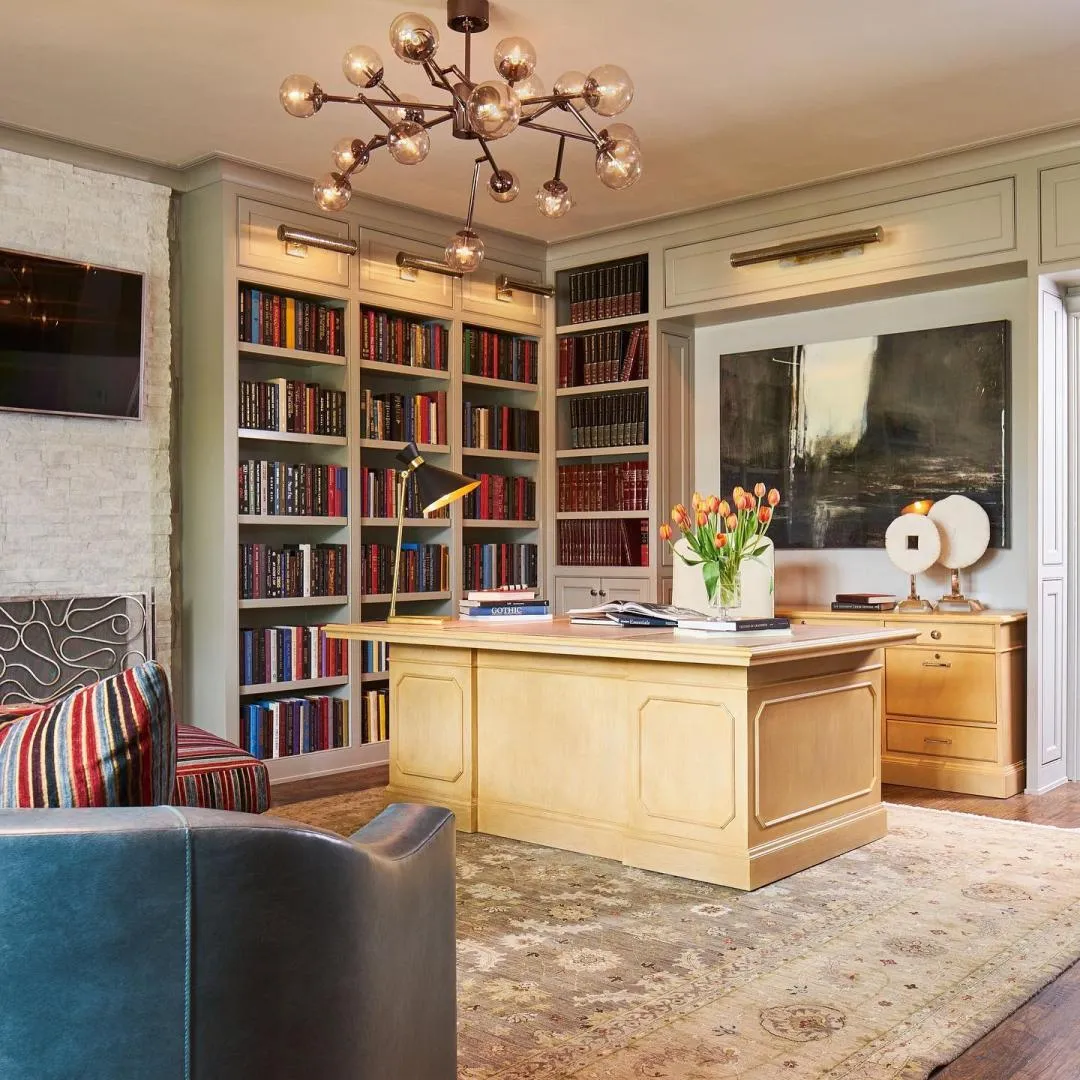
Design: @wesleywayneinteriors
Photography: @stephen_karlisch_photo
Frequently Asked Questions About Ambient Lighting
What Is the 5'7" Lighting Rule?
The 5'7" rule suggests centering wall sconces at approximately 5 feet 7 inches from the floor, aligning them with the average eye level of a standing adult, produces the most flattering and functional light.
How Many Ambient Lighting Fixtures Does a Room Need?
Most rooms benefit from a minimum of three ambient lighting fixtures at varying heights. Larger or open-plan spaces may need five or more to achieve a fully layered, ambient effect.
Can Ambient Lighting Make a Small Room Feel Bigger?
Yes. Soft, layered sources placed at the walls and corners draw the eye outward, creating the perception of more space than bright overhead lighting typically allows.
Can You Use Lamps as the Main Source of Ambient Light?
Absolutely. In rooms where ceiling fixtures are limited or unavailable, a combination of floor lamps and table lamps at varying heights can serve as the primary ambient layer.
What Is the Difference Between Ambient and Mood Lighting?
Ambient lighting refers to the general illumination layer in a room. Mood lighting is ambient lighting dialed to a specific emotional register, typically lower and warmer.