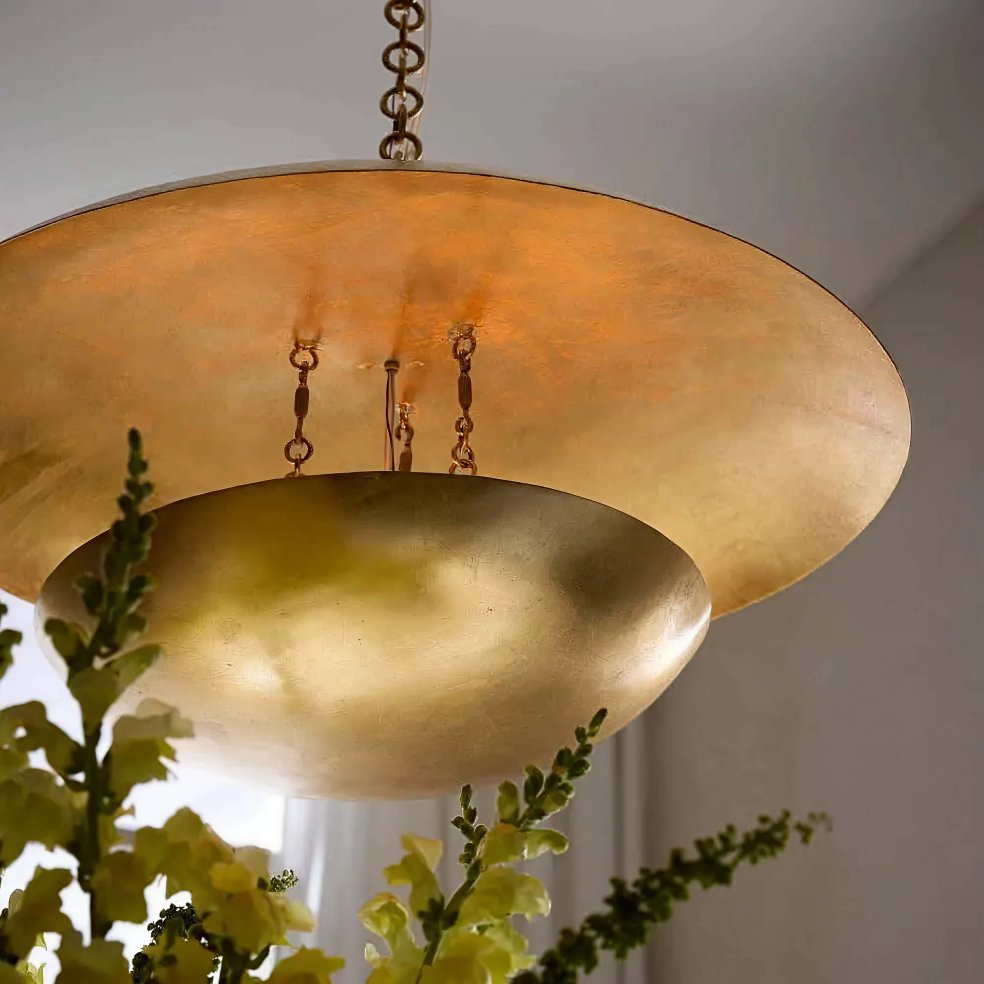
Design: Make and Marvel Interiors
Photo: Chipper Hatter
Styling: Nathan M. Mueller
Have you ever entered a room that immediately feels balanced and inviting, but couldn’t put your finger on what was so appealing about it? The furniture is high quality, the palette is thoughtfully composed, but none of that fully explains the atmosphere. More often than not, the answer is the lighting.
Thoughtful lighting is one of the great differentiators in luxury interiors—the detail that separates a room that's beautifully furnished from one that's truly felt. In 2026, its role is evolving from a finishing touch to a statement piece that guides your design direction. Whether you're embarking on a full renovation, rethinking a single room, or resolving an interior that feels slightly unfinished, these bright ideas will demonstrate how to implement lighting that elevates your interiors.
The 3 Layers of Luxury: A Designer’s Guide to Atmosphere
Every exceptional lighting scheme begins with a framework of three distinct layers that work in concert to create depth, function, and drama. Think of it as composing a room rather than simply decorating one.
The Canvas: Ambient Lighting
Design Shop Dallas
Photo: Aaron Dougherty
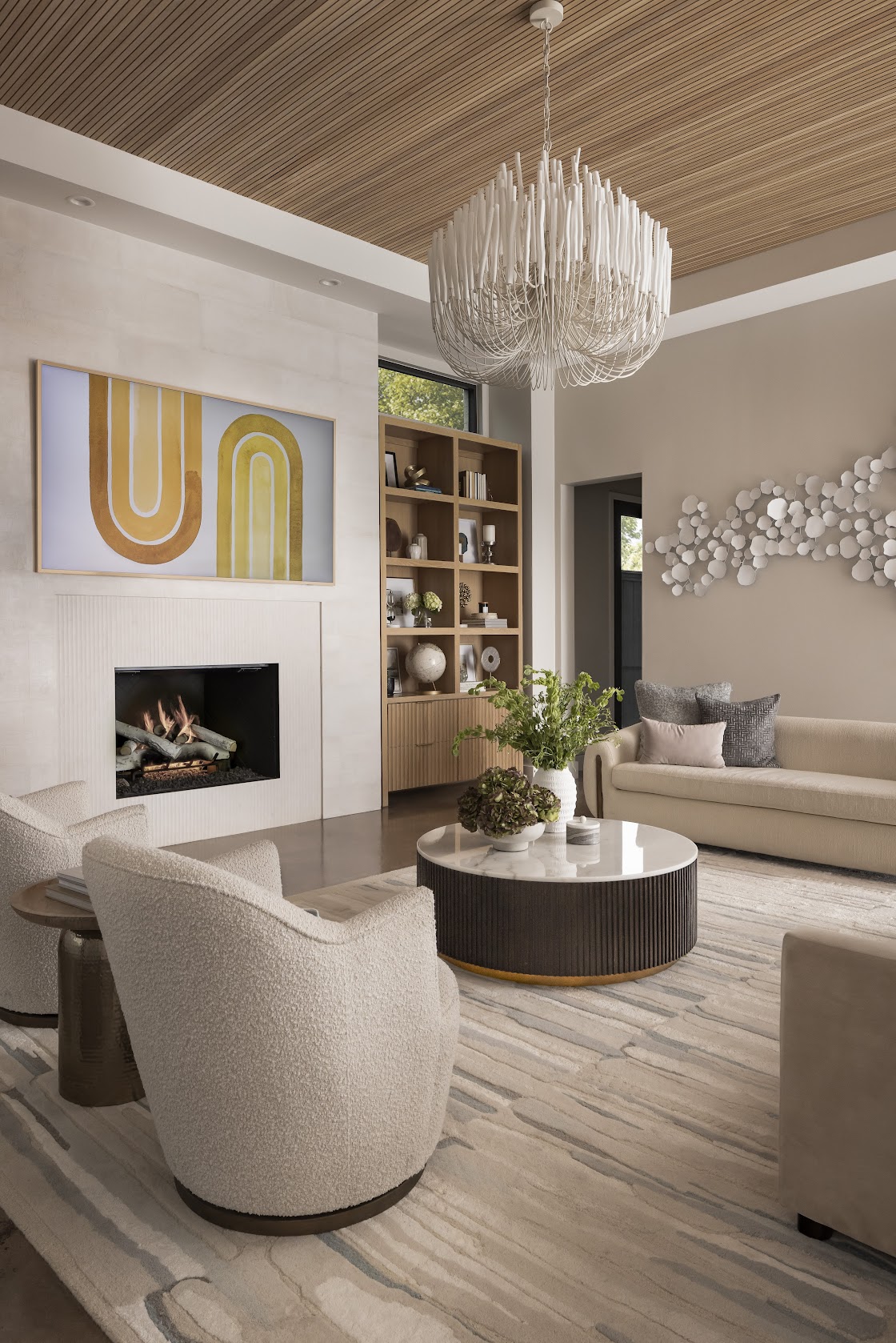
Ambient light is your foundation, filling a room with an overall, diffused glow that makes the space feel alive and navigable. In luxury homes, ambient lighting rarely comes from a single source overhead. Instead, it's built from multiple soft, layered inputs: recessed downlights set to a warm dimmer, a generous chandelier that washes the ceiling with reflected light, or cove lighting that traces the architecture with quiet elegance. A well-designed ambient layer should feel generous but never harsh, like late-afternoon sun through gauze curtains.
The Function: Precision Task Lighting
Design: Make and Marvel Interiors
Photo: Chipper Hatter
Styling: Nathan M. Mueller
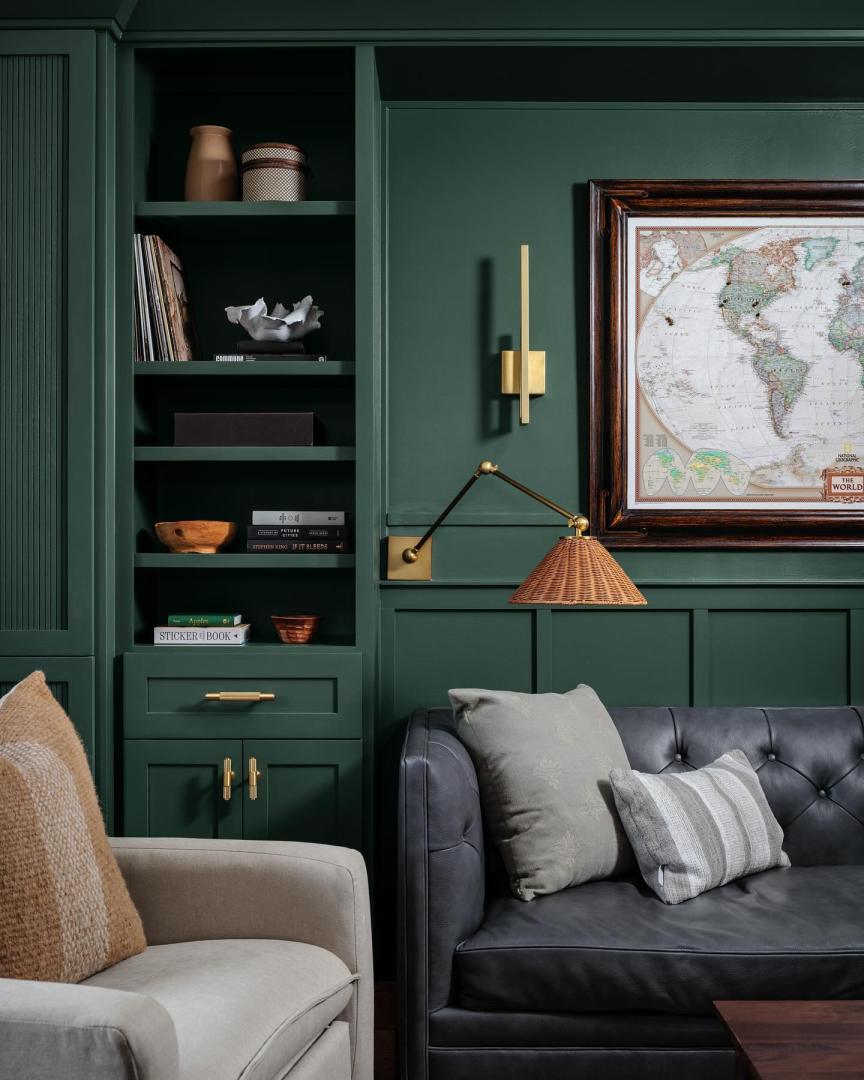
By delivering directed, concentrated light to the places you actually use (think: the kitchen countertop, the reading chair, the bathroom mirror), task lighting is where practicality meets polish. But task lighting doesn't have to mean a utilitarian under-cabinet strip. Luxury pieces prioritize both beauty and function, as a pharmacy floor lamp angled over a club chair or a pair of sculptural sconces flanking a vanity mirror.
The Drama: Accent & Art Lighting
Home of Paul Fraser Realty and Keri Fraser
Furniture, lighting, art, rug, and accessories: Parliament Interiors
Photo: Creative Si
Design: Colette at Parliament Interiors
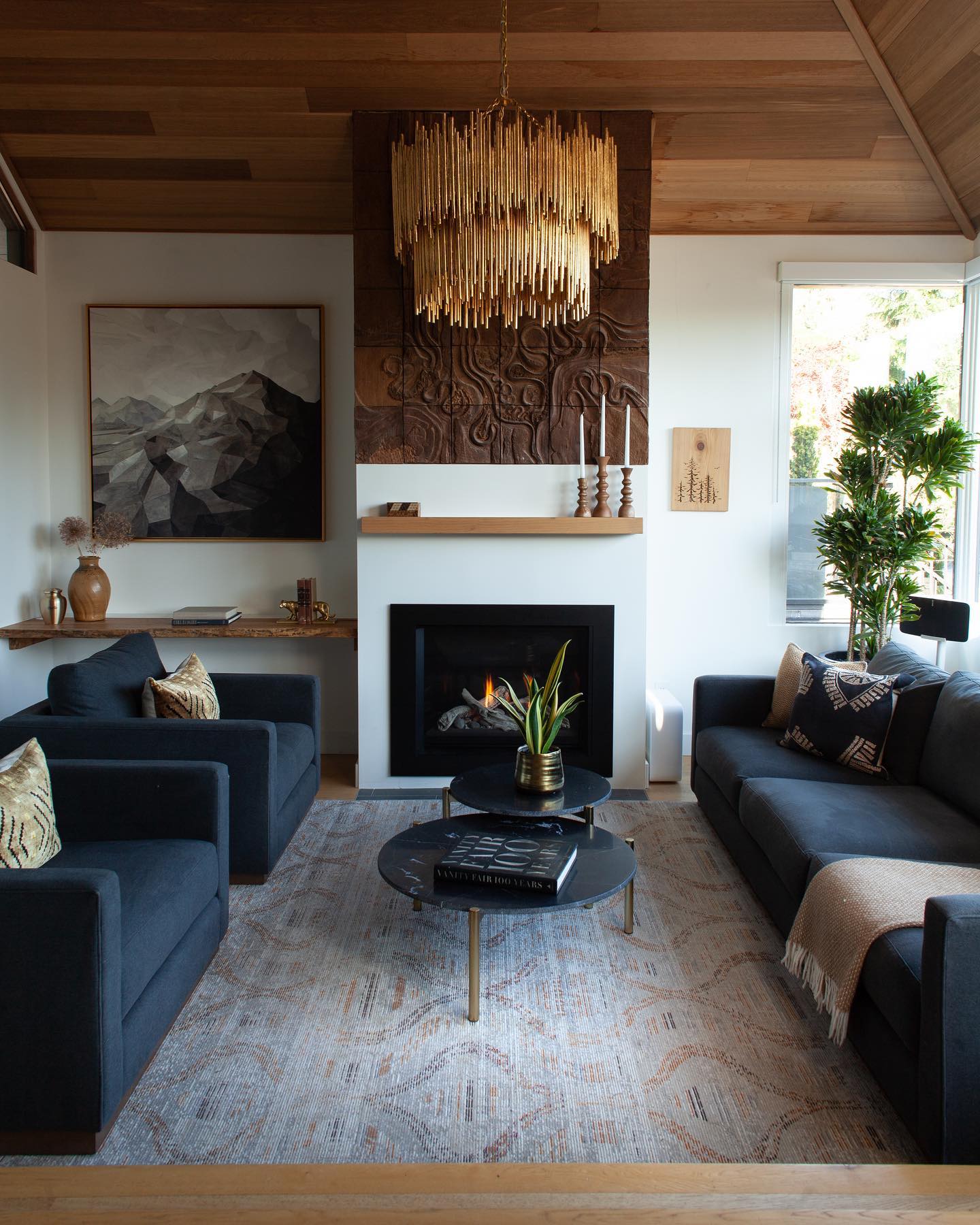
Accent lighting is the editorial voice of a room: it tells you what to look at and why it matters. Directed at art, architectural features, bookshelves, textured walls, or curated objects, accent lights create depth and dimension that transform a flat space into a layered one.
The Rule of Three: Balancing Your Light Sources
When in doubt, turn to the lighting guideline embraced by designers: every room should have at least three distinct light sources spanning ambient, task, and accent functions. Relying solely on ambient light will cause eye strain and visual fatigue, but utilizing all three types will create a layered, dynamic quality that feels curated. Each source should be independently controllable, dimmable wherever possible, and positioned at varying heights to keep the eye moving. Low light draws the eye down and in; high light lifts and expands.
Four Curated Lighting Trends for 2026
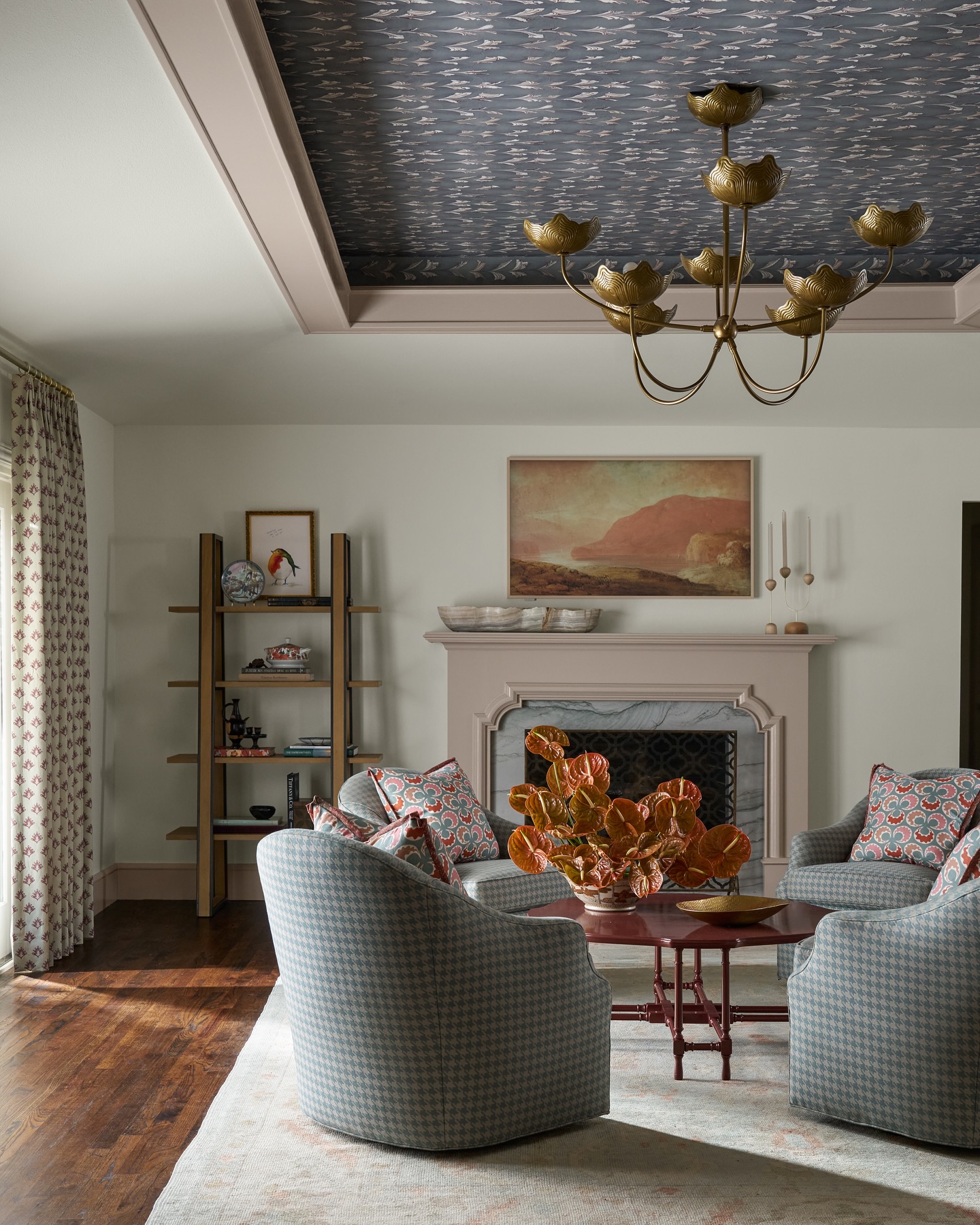
Design: Lauren Reynolds Design
Photo: Nathan Schroder Photo
Styling: Melanie McKinley
1. Sculptural Illumination: Lighting as Art
A home’s art doesn’t have to be two-dimensional and hung on a wall. Sculptural chandeliers and bold pendants are claiming the visual center of rooms once reserved for paintings. Designers are embracing organic curves, asymmetrical lines, unexpected negative space, and monumental silhouettes, resulting in fixtures that carry as much presence switched off as they do when illuminated.
2. Biophilic & Organic Materials
Biophilic lighting bridges the gap between the natural world and the spaces we live in. In a design landscape often dominated by perfection, organic materials—including rattan, linen, woven grasses, and stone—offer texture, subtle variation, and philosophical honesty. No two pieces of alabaster diffuse light in the same way; just like no two linen shades cast the same shadow. Our striking Ferndale Pendant includes eucalyptus-stained coco shells, layered for a fish-scale effect. Unique imperfection is the point.
3. The New Warmth: Bronze, Brass, & Patina
If the preceding decade belonged to matte black and brushed nickel, the current moment belongs to warm metals. After years of hyper-minimalism, luxury interiors are shifting toward antique brass, dark bronze, aged copper, and living-finish metals (read: those that evolve gracefully). A character-filled patina finish looks like it has earned its place and speaks to authenticity in a way that pristine chrome cannot. Pair these metals with dark interiors, natural stone, and rich textiles.
4. The Return of Art Deco & Vintage Silhouettes
The clean angles, gilded metallics, and architectural confidence of Art Deco are back in vogue, while whimsical, antique-inspired fixtures were among the notable lighting trends at Fall 2025 High Point Market. The key to wearing this trend without looking like a costume is proportion and restraint. One strong Art Deco chandelier in a dining room, paired with clean-lined furniture and a warm neutral palette, reads as sophisticated and assured. The same room with five competing period references reads as a history lesson.
Room-by-Room Curation: Setting the Mood
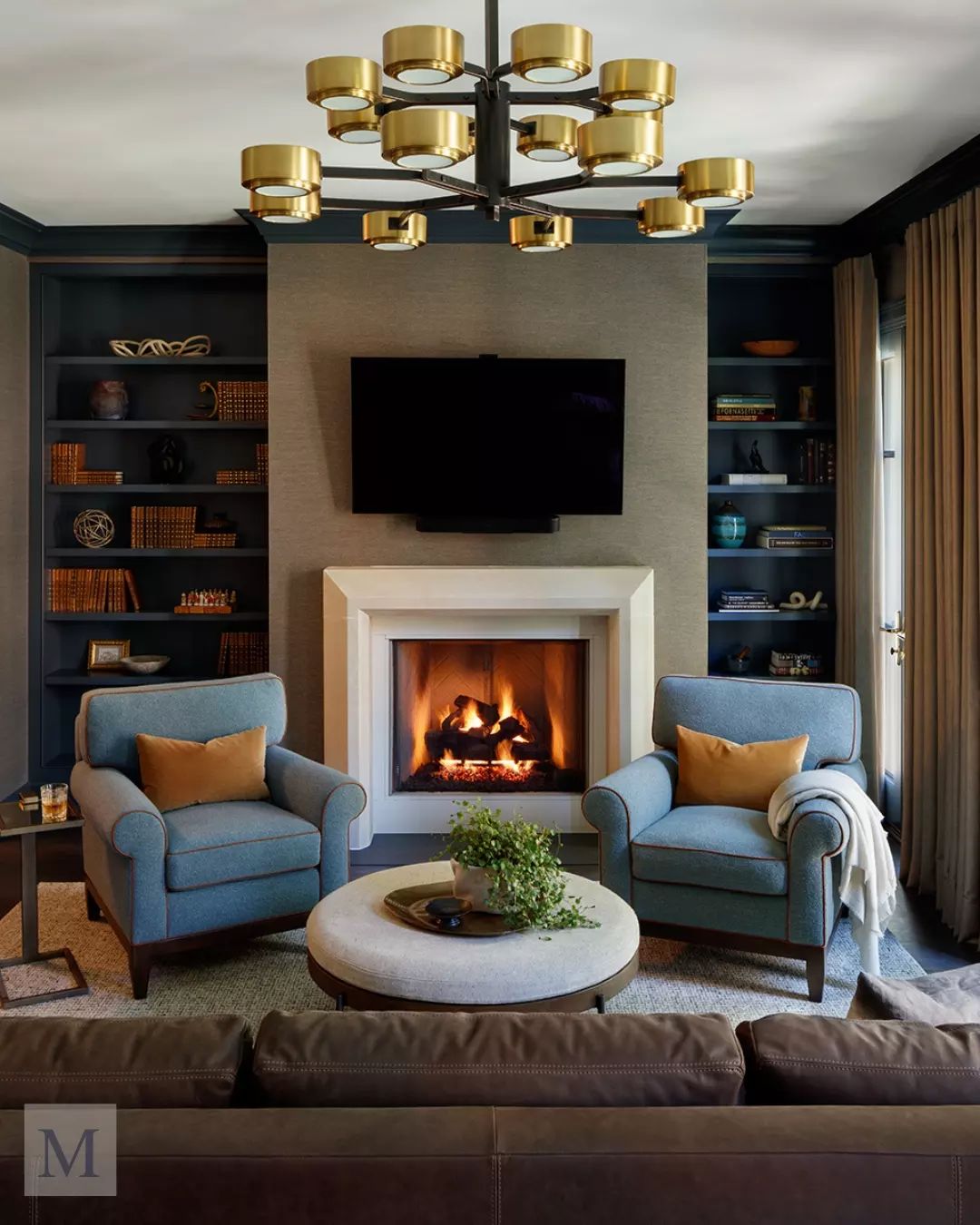
Design: Tracy Morris Design
Architect: Sydney Katz
Photography: Jennifer Hughes
Great lighting is always contextual. The same fixture that soars in a double-height foyer disappears in an intimate bedroom. Mastery lies in matching the scale, temperature, and drama of a lighting choice to the specific life of each room.
The Living Room: Creating Conversation Zones
Think of the living room as a collection of zones, each with its own behavioral purpose. The seating area invites conversation and gathering, the reading corner demands focus, and the bar cart or bookshelf deserves a moment of its own. Each should be lit accordingly.
Begin with a statement ambient piece, such as an oversized chandelier or large pendant that anchors the room's center and establishes its character. Layer in floor lamps beside seating, directional recessed lighting to address art and objects, and table lamps where surfaces allow. Every seating position should have a light source within comfortable reach, so that no one is left sitting in the dark.
Dining Room Drama: The Centerpiece
The dining table is a site of celebration—and its light source deserves to be treated as such. A chandelier or pendant above the table is the one fixture in a home where scale can and should be ambitious. Choose an oversized option or a sculptural form that will spark conversation before the first course is served.
The Sanctuary Bedroom: Softening the Edges
A space of calm and relaxation, the bedroom functions best with a layered formula. Go for a soft ambient source overhead—a low-profile chandelier or semi-flush fixture on a dimmer—flanked by bedside sconces or pendants that switch independently for reading without disturbing the room. The bedroom should never feel like a workspace, and the right lighting formula makes that clear before you ever pull back the covers.
Entryways & Foyers: The First Impression
Your entryway sets the tone for everything that follows, so don't hold back. A dramatic pendant or a sculptural chandelier gives guests a preview of the home’s mood and a glimpse into the homeowner’s personality. Pair the overhead centerpiece with a sconce or picture light for secondary warmth, and be sure the floor is well-lit enough for a safe, graceful arrival.
Kitchen & Bath: Elevated Utility
The kitchen and bath work harder than any other rooms in the home, and their lighting should match that ambition without sacrificing beauty. A well-lit kitchen layers recessed ambient light with under-cabinet task lighting and statement pendants above the island, while a sanctuary-like bath thrives with mirror-flanking sconces and ambient overhead fixtures in flattering light tones.
Mastering the Layout: A Designer’s Approach
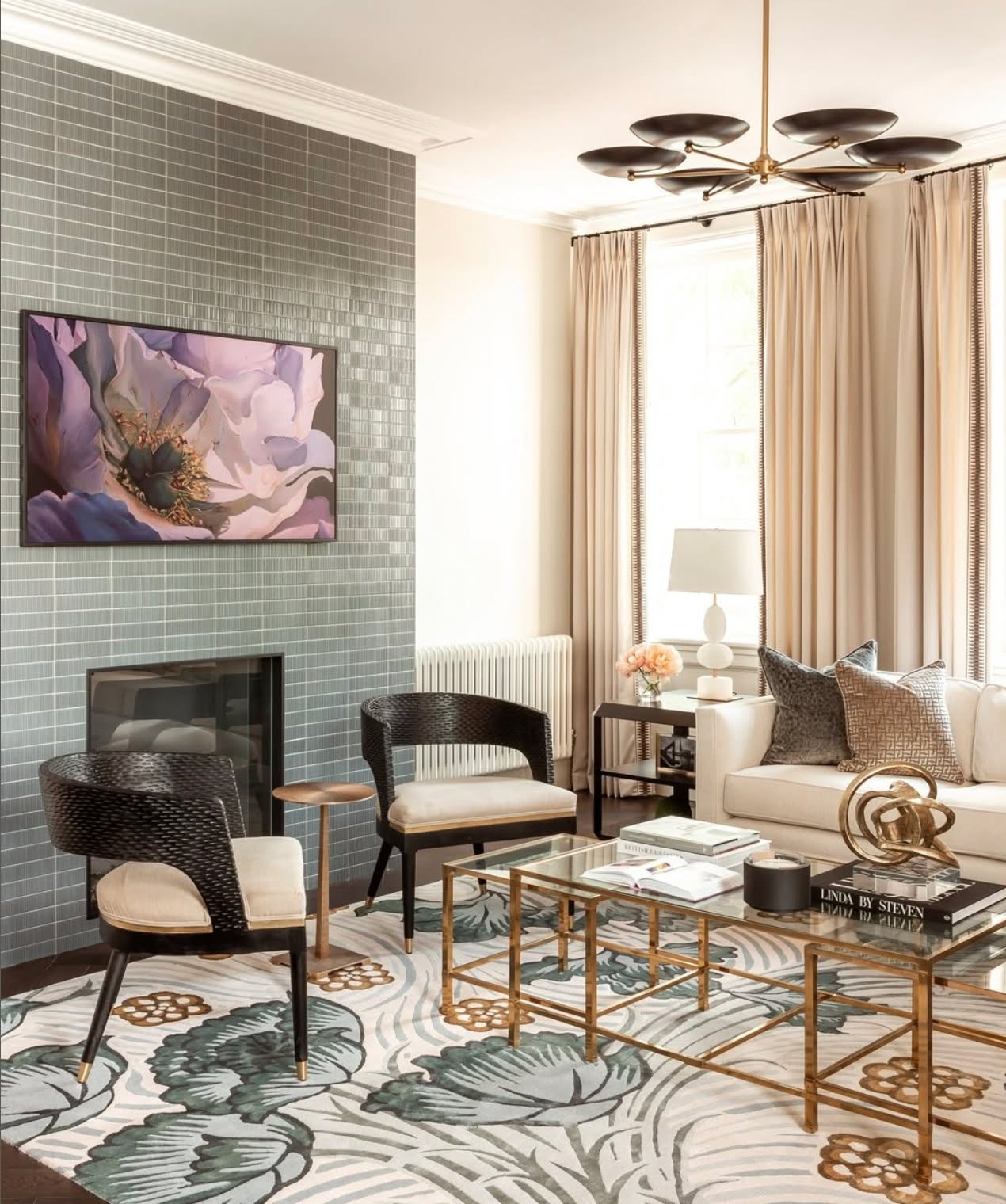
Design: Beth Lindsey Interior Design
Photo: Toby Nima
Knowing what to choose is only half the equation. Understanding where to place it and how to balance the pieces in relation to each other is the next step in luxury lighting.
Scale & Proportion: Avoiding Common Mistakes
The most common lighting mistake in luxury homes is underscaling. A chandelier that is too small for its room reads as an apology rather than a statement, while a pendant hung too high loses its relationship to the surface below. When in doubt, go larger. The eye adjusts to a bold fixture within moments; it never stops noticing a timid one.
Aim to hang pendants so their base falls at roughly 7 feet above floor level in rooms with standard ceilings, adjusting upward for each additional foot of ceiling height. In grand double-height spaces, a dramatic cascading fixture will help fill the vertical volume.
Mixing Fixtures: Coordination Without Matching
The most sophisticated lighting schemes are composed, not matched. Think of your fixtures as siblings rather than twins—clearly from the same family but distinct in their own right. Choose pieces that share a material language (i.e., the same metal finish) while introducing variation in form and function.
Checklist: The Lighting Plan for Renovations
When planning lighting for a renovation, sequence matters as much as selection. Work through this order before any walls are closed:
- Begin by marking the architectural lighting on the construction drawings, as these require an electrical rough-in before drywall.
- Establish the switching and dimming scheme next, ensuring every circuit has the control flexibility the finished room will demand.
- Select your decorative fixtures with the architectural framework in place, choosing pieces that complement the planned recessed positions rather than compete with them.
- Finally, layer in portable and plug-in pieces once the room is furnished, using them to address any atmospheric gaps the built-in fixtures leave.
Remember, a lighting plan conceived alongside the architecture is nearly always superior to one retrofitted afterward.
Investing in Timeless Design
Luxury extends beyond the price of a piece. The most astute lighting decisions are the ones that remain beautiful and relevant a decade from now, that grow more interesting as they age, and that carry the kind of presence that makes a home feel like it was designed rather than assembled.
The Value of Heirloom Quality
The calculation here is straightforward: a fixture of genuine quality, purchased once, outlasts several rounds of trend-responsive replacements in both cost and character. Invest in the quality tier where the object has a story worth keeping.
Sustainable Luxury: Materials That Endure
When a fixture is crafted from high-quality materials that improve over time, it doesn’t need to be replaced or end up in a landfill after the next design refresh. Heirloom-quality lighting is, quietly, one of the most responsible choices a homeowner can make.
Energy Efficiency Without Compromise
The era of choosing between beautiful light and efficient light is conclusively over. Contemporary LED technology now produces color rendition indistinguishable from incandescent sources, with warm-toned options that flatter every material and skin tone in the room. A household that converts fully to LED lighting can reduce its lighting energy consumption by more than half.
FAQs: About Home Lighting Ideas
How Do I Choose the Right Size Chandelier for My Dining Table?
The reliable formula: a chandelier's diameter should be approximately one-half to two-thirds the width of the dining table. Hang the bottom of the fixture 30 to 36 inches above the table surface. For rectangular tables, a linear suspension or series of pendants often reads better than a single round fixture. When in doubt between two sizes, choose the larger option—a confidently scaled chandelier anchors a dining room. A tentative one reads as an afterthought.
Can I Mix Different Metal Finishes in the Same Room?
You can, and in most cases you should. Establish a dominant finish that appears in primary fixtures and hardware, and allow one or two supporting finishes in secondary pieces. Keep finishes within the same temperature family: warm with warm, cool with cool. Dark bronze and antique brass share warmth and read as intentional together; polished chrome and aged brass are harder to reconcile.
What Is "Color Temperature" (Kelvin) and Which Is Best for Luxury Homes?
Color temperature describes the warmth or coolness of a light source. For most spaces in a home—living rooms, dining rooms, bedrooms—2700K delivers warm, flattering light that complements virtually every material palette. Reserve 3000K for kitchens and home offices, where a crisper quality supports focus.
How Does Lighting Affect the Resale Value of a Home?
More than most sellers expect. Buyers respond to atmosphere before specifications, and lighting is its primary architect. A home that is beautifully lit translates directly to perceived value and speed of sale. High-quality architectural lighting is a genuine property improvement; decorative fixtures contribute more to the emotional experience of a showing than the appraisal, but their impact on how quickly—and at what price—a home sells is real.