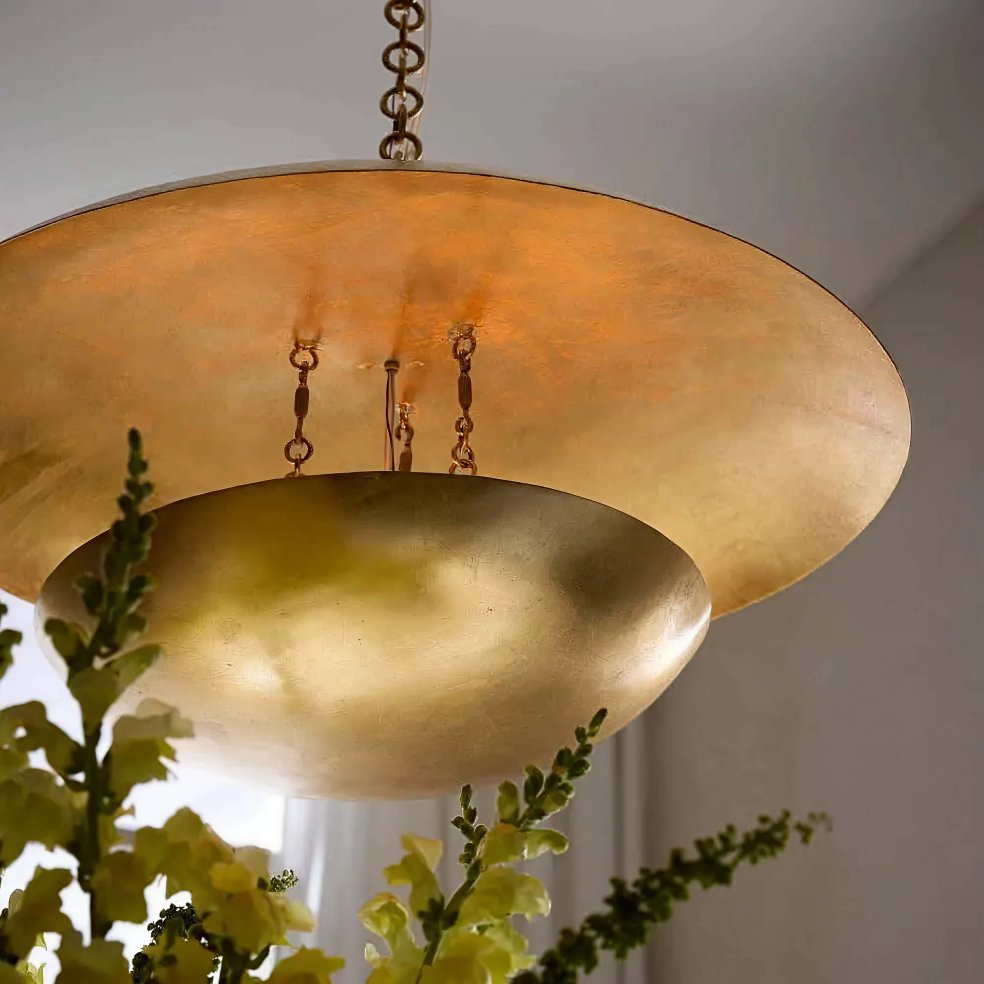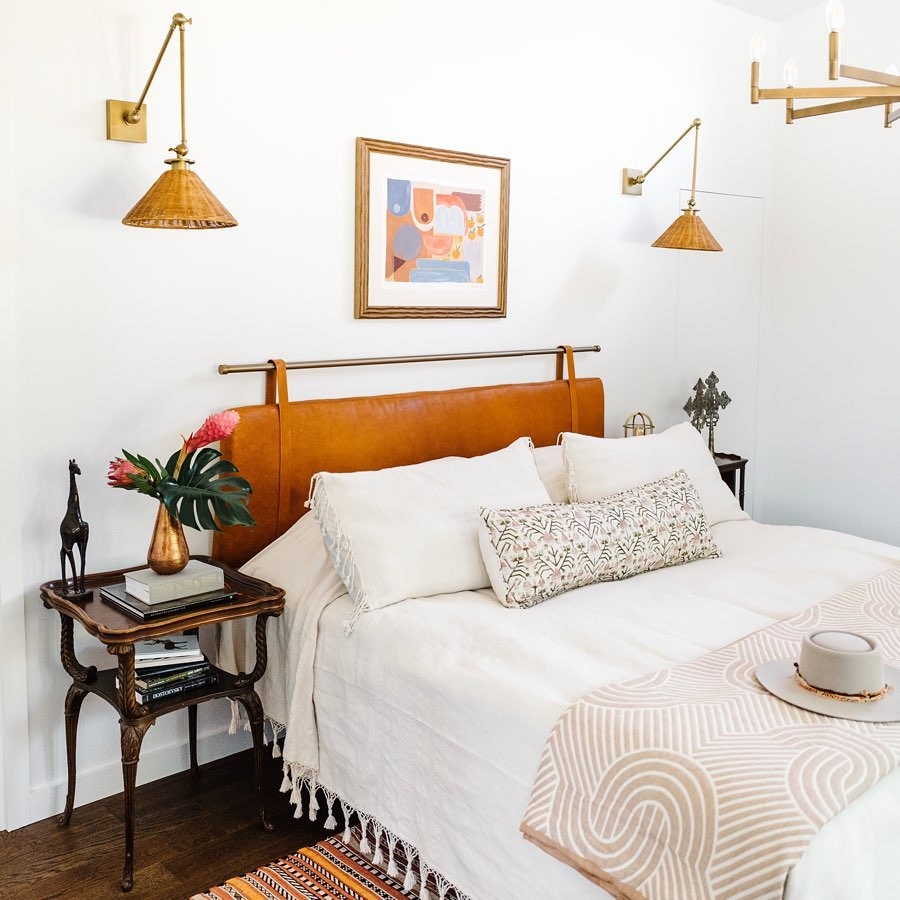
Art: @thejungalow by @justinablakeney
Headboard: @the_citizenry
Lighting: @arteriorshome
Bedding: sourced from Mexico
Rug: sourced from Morocco
Nightstand: my grandma’s
Designer: @shannoneddingsinteriors
The most underestimated design decision in any interior, lighting differentiates a functionally adequate room from a space that draws you in and invites you to linger. Accent lighting, in particular, is the layer that makes a well-lit space feel alive and full of depth. To create an atmospheric quality in your home, follow these principles and placement strategies that the most design-forward interiors rely on.
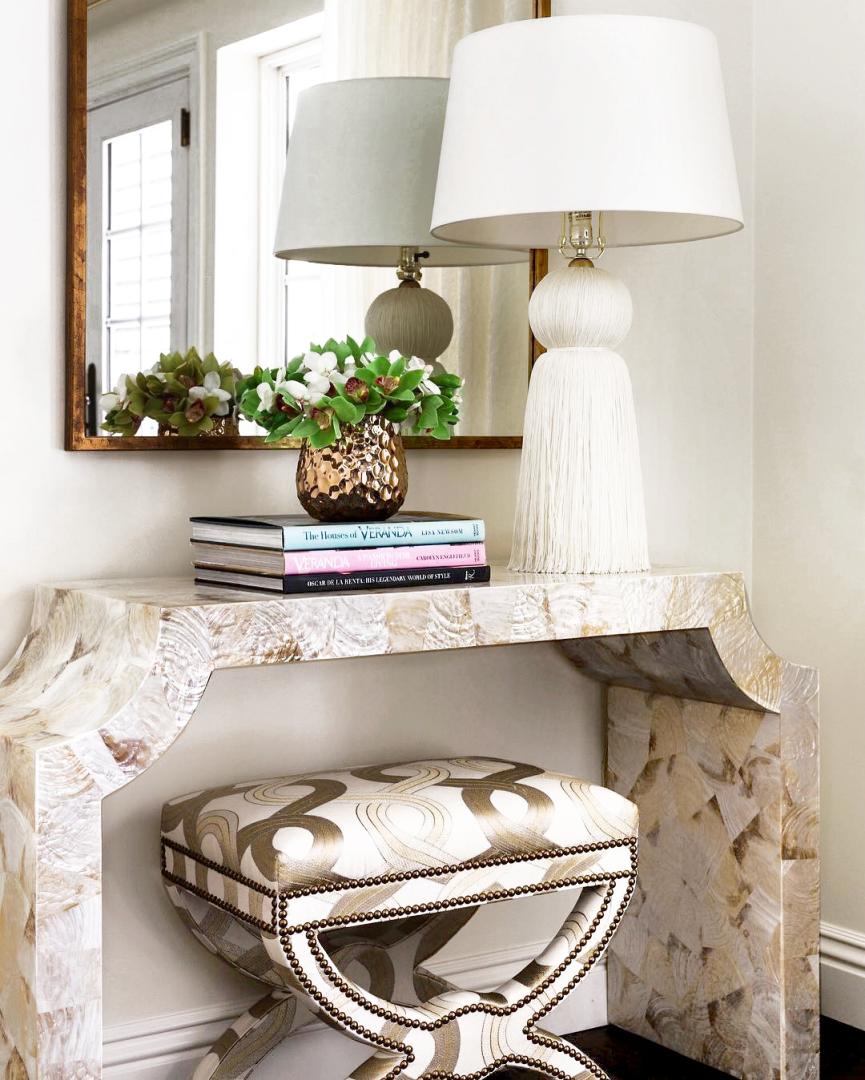
bennettlernerinteriors
What Is Accent Lighting in Interior Design?
Think of accent lighting as a spotlight operator working silently behind the scenes of your home. By placing emphasis on certain areas, accent lighting creates layers of visual depth. Where ambient light fills a room with a general wash of illumination and task lighting serves a specific functional purpose, accent lighting creates a curated feel by singling out objects, textured surfaces, and architectural moments.
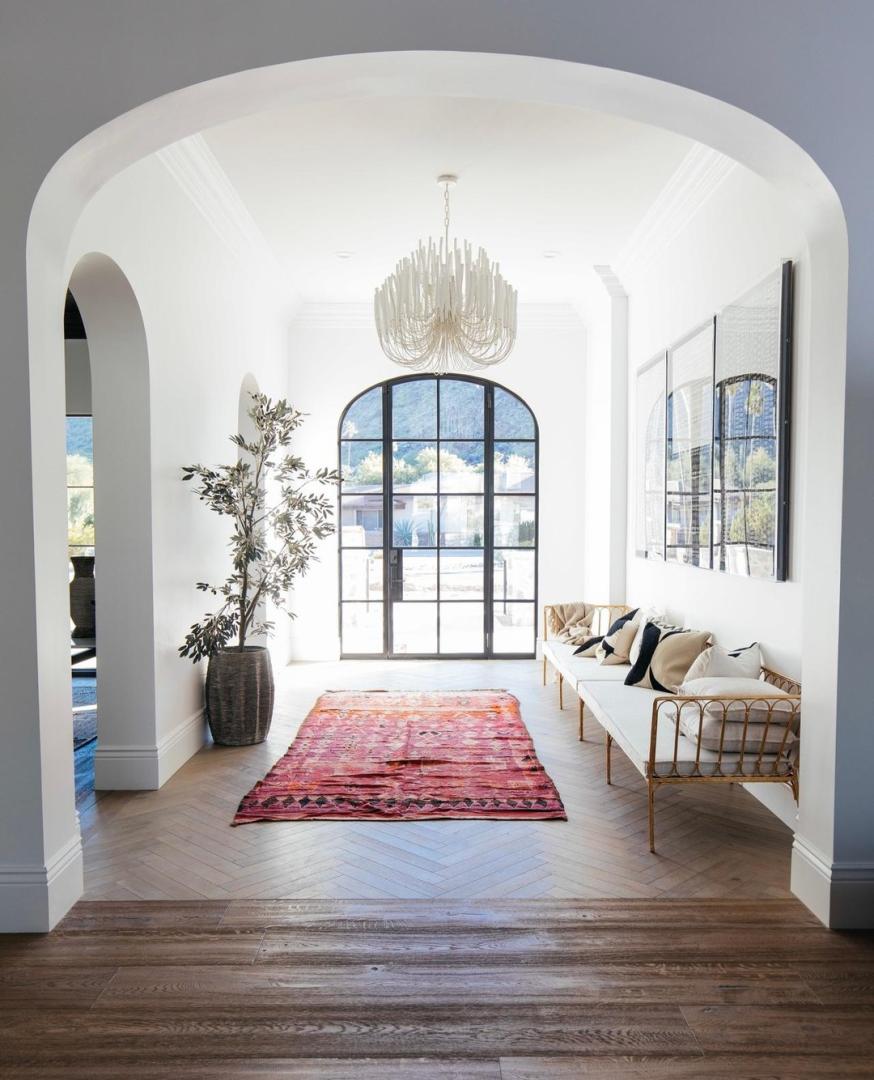
Builder: @esbuildersaz @modernsplendorhomes
Build + interiors design: @thelifestyledco
Photography: @thisisnickaz
Accent vs. Ambient vs. Task Lighting
Ambient lighting is the foundational layer, consisting of overhead fixtures or large pendants that establish a room's overall brightness. Task lighting narrows the focus to a functional zone: for example, a reading lamp beside an armchair, a sconce above a bathroom mirror. The purpose of accent lighting is atmospheric and compositional rather than practical.
A well-composed interior uses all three in concert. Ambient light sets the stage, task light enables action, accent light creates narrative. When designers speak of a room feeling "layered,” they are invariably pointing to how skillfully that third layer has been executed.
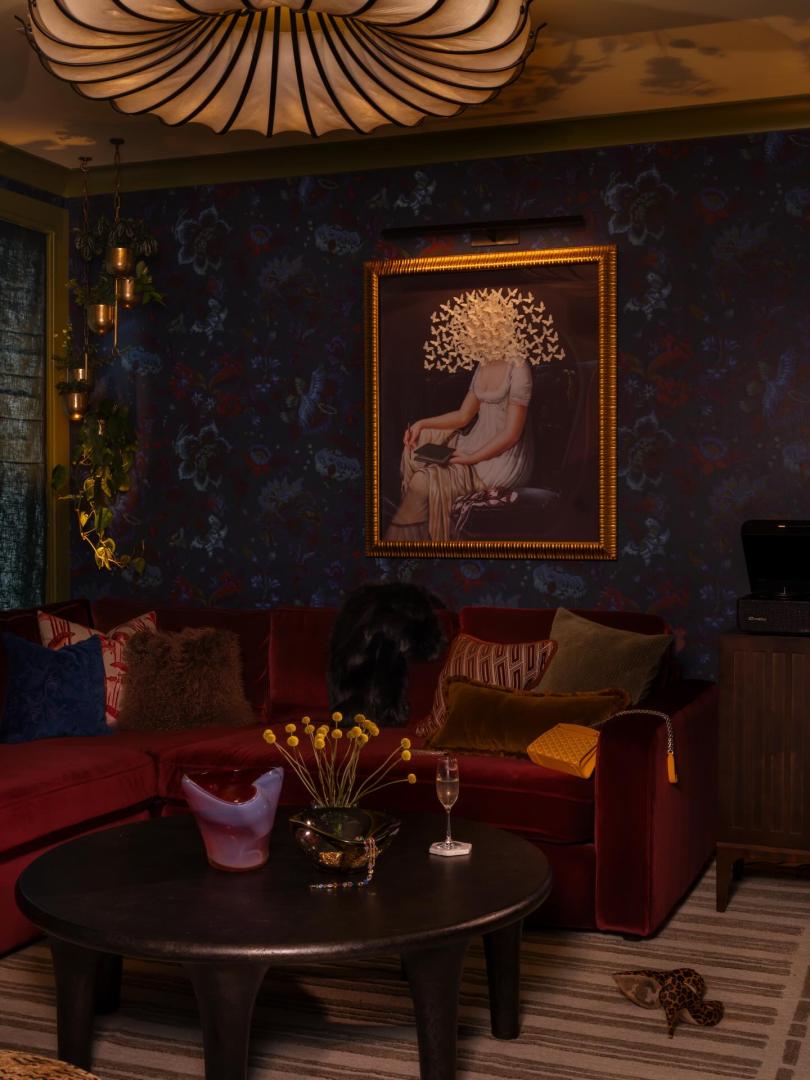
Design by @kennedytaylor.ad & @rachaelgac
Photos by the beautiful and talented @elizabethhaynesphotography
Why Accent Lighting Adds Depth & Dimension
To the human eye, depth is registered through the contrast of light and shadow. When light falls unevenly across a room, casting pools of warmth between areas of shadow, the space immediately reads as larger and more complex than it would under a flat, uniform glow. Interior accent lighting creates that contrast intentionally. A picture light washing down a canvas makes the work seem to float, while a table lamp casting an upward glow in a corner creates vertical interest and draws the eye upward.
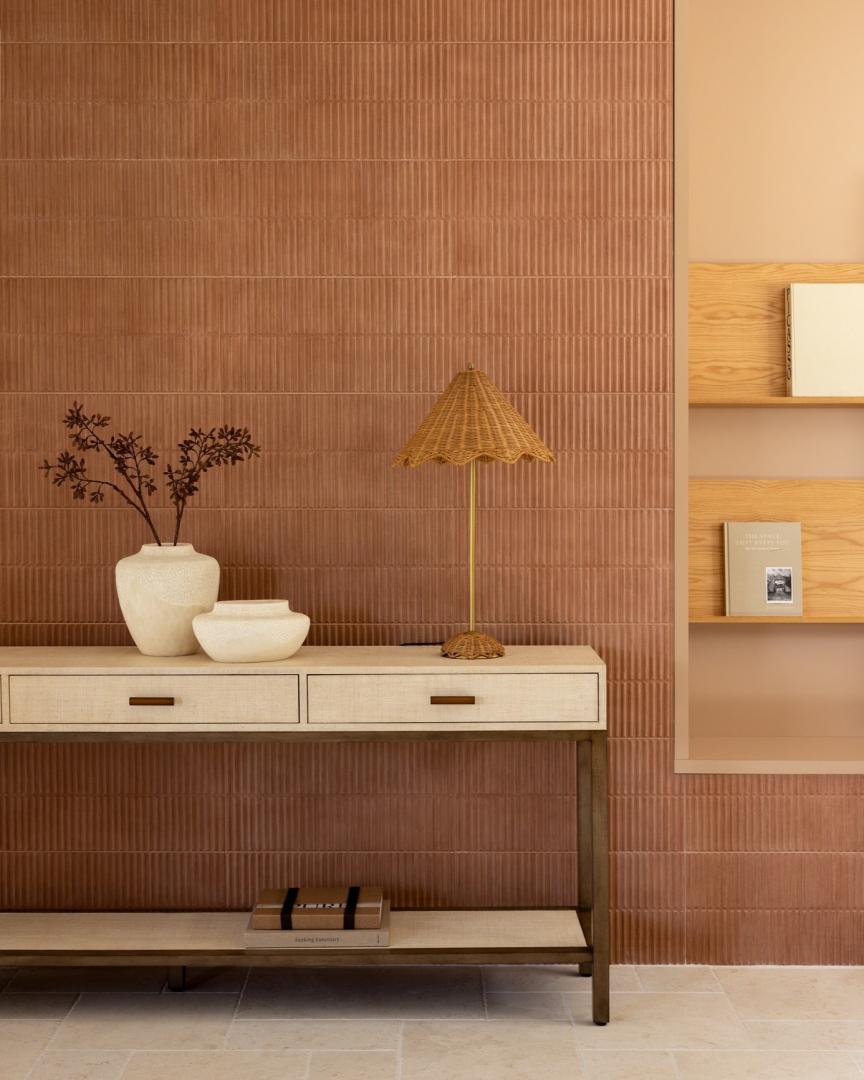
Design - @boydblue
Photo - @roche.interiors.au
How to Plan Accent Lighting at Home
When developing an accent lighting plan for your space, start with intention and then layer outward. Identifying what deserves attention, and having the restraint to let everything else recede, is key to creating a curated feel.
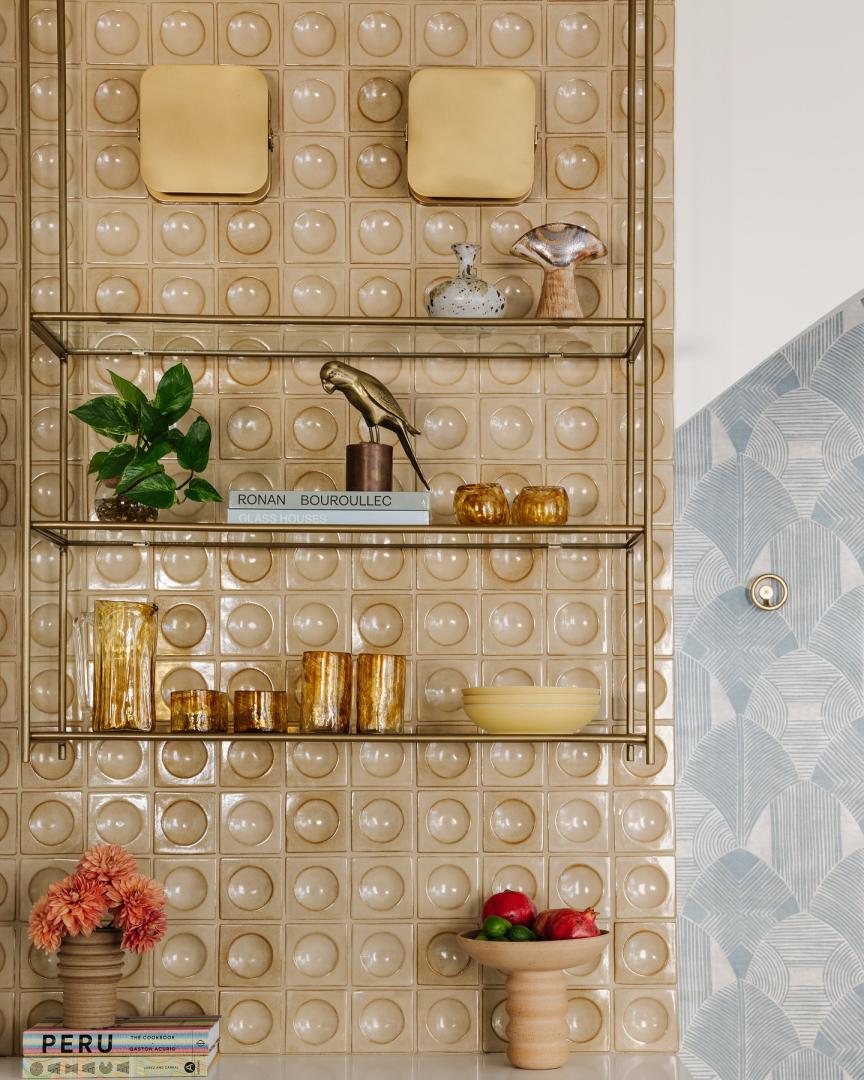
Interiors: @houseofnomaddesign
Styling: @shophouseofnomaddesign
Photography: @laurasumrak
The 3-Point Lighting Rule
Borrowed from cinematography and photography, the 3-point rule provides a useful framework for residential spaces. The guideline calls for three distinct light sources in a single room, each serving its own purpose and placed at different heights and angles to one another. In practice, this might mean a floor lamp in one corner, a semi-flush mount overhead, and a directional sconce aimed at a piece of art. Together, the three sources (key floor lighting, ambient fill lighting, and backlit corner lighting) create a shadow-rich atmosphere that feels dynamic.
The rule works because it prevents the common design error of over-relying on a single overhead source. One central fixture, however beautiful, flattens a room. Three intentional sources give it dimension.
What to Highlight in Each Room
Every room has a hierarchy of moments worth emphasizing. When shopping for your living room, that might be a reading nook, a curated gallery wall, or a piece of sculptural furniture. In a bedroom, the headboard flanked by bedside lamps creates symmetry and a sense of sanctuary. For kitchen accent lighting ideas, the interplay between wall sconces framing the sink and a trio of pendants over the island delivers both drama and function.
Begin by walking through your space and identifying what you genuinely want to look at. Great accent lighting is an exercise in editing. Three well-lit focal points will outperform 10 objects competing for attention.
Common Placement Mistakes to Avoid
Even the most well-chosen fixtures underperform when placement hasn't been thought through. These are the three most common errors worth knowing before you begin:
Mounting sconces too high
The instinct to push sconces toward the ceiling makes them behave like ambient sources, casting light downward with little atmosphere. Sconces work best between 58 and 66 inches from the floor—close enough to the sightline to create genuine warmth and intimacy.
Placing accent lights too close to reflective surfaces
Glass, lacquer, polished stone, and mirrors will bounce a poorly positioned beam straight back into the room as a glare, undermining the very atmosphere the fixture was meant to create. Pull directional sources back and angle them to graze the surface rather than strike it head-on.
Accenting everything
When every object, surface, and corner competes for equal attention, nothing reads as special. Rather than overwhelming the space, restraint is what gives each lit moment its power. This is where strategic placement and scale are everything.
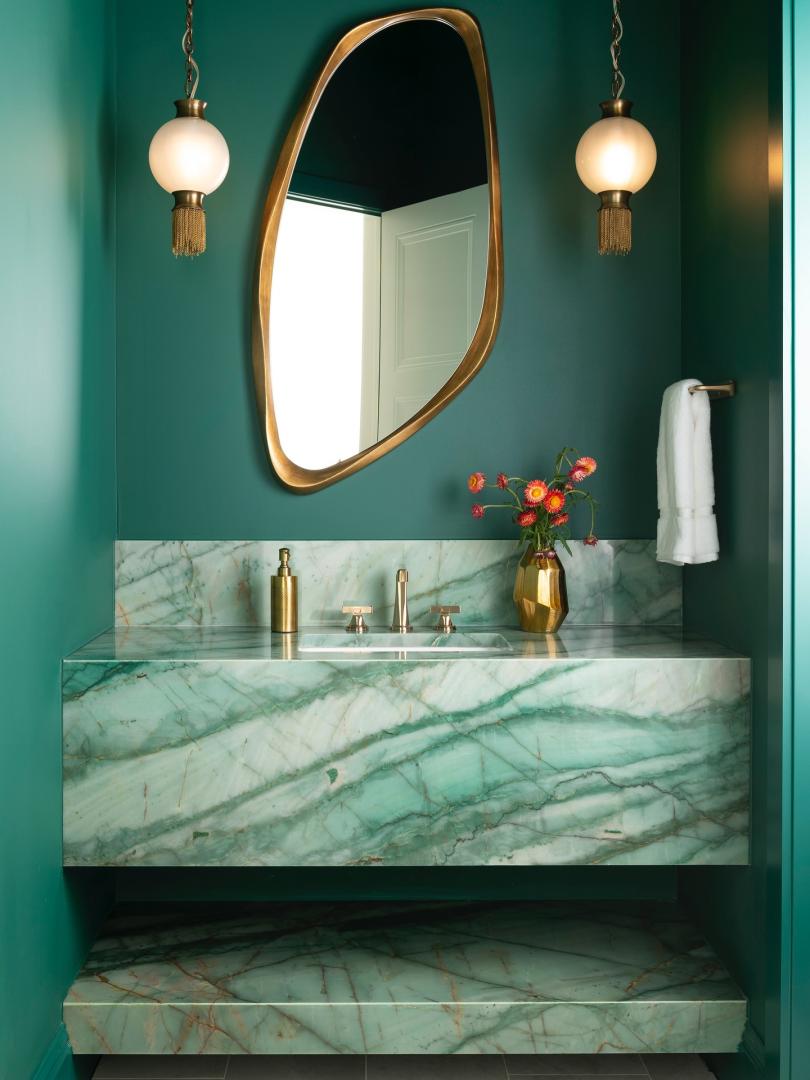
Design - @navyblack_studio
Architecture - @momentdesign_architecture
Build - @j.jordanhomes
Types of Accent Lighting Fixtures for the Home
Available in an array of styles, the best indoor accent lighting beautifully combines form and function.
Sculptural Sconces
The wall sconce has undergone a renaissance in high-design interiors. Today's most compelling versions read as a wall-mounted sculpture first, lighting second. Sconces with articulating arms in aged brass or bronze steel offer both adjustability and an undeniably handsome silhouette. Sculptural glass sconces, crafted with flowing profiles, direct luminous accents across any space.Take the Arteriors Karina Wall Sconce, for example: resembling a carved piece of granite, this piece adds visual flair to a space before it’s ever turned on. When selected well, a pair of sconces can anchor a room with the same authority as a significant work of art.
Statement Table Lamps
Among the most versatile accent pieces in a home, statement table lamps add a layer of light and decoration. Positioned on a console, a sideboard, or flanking a sofa, table lamps—like the orblike Dreena Lamp—create visual anchors at eye level. Prioritize lamps that feature sculptural bases and high-quality materials.
Picture Lights
Few gestures elevate art more efficiently than a properly positioned picture light. A slim, warm-toned light mounted above a canvas directs a gentle wash down the surface, pulling the work forward from the wall and making it the unambiguous center of attention. Finished in antique brass, the Mercury Sconce has a modern, low-profile silhouette that won’t distract from the art piece itself.
Cluster Pendants
While a single-bulb pendant over a dining table is sufficient, a cluster pendant acts as a statement-making installation. Oversized fixtures with a grouping of light sources have become a defining gesture of high-design interiors because they introduce movement and complexity to a space and spark conversation. Glass globes work particularly well in a cluster formation—as seen in the dramatic Caviar Adjustable Large Cluster, which features hand-blown spheres in varying sizes.
Directional Lighting
If your goal is to add a layer of accent lighting that highlights a specific piece of art, shelving, or architectural detail, look for fixtures with pivoting arms that allow you to focus the direction of the light. While you wouldn’t choose the Alaric Floor Lamp to light your full living room, it’s an elite option for spotlighting a sideboard or illuminating a cozy reading nook.
LED Strip & Integrated Lighting
You likely won't notice when a fixture has integrated LED lighting, so the piece reads as a sculpture rather than a functional source of light. The Simba Sconce perfectly illustrates this concept: at first glance, it reads as a modernist wall sculpture in antique brass steel, with its integrated LED entirely hidden within the linear design. Switched on, it casts light against the wall and reflects ambient warmth into the space.
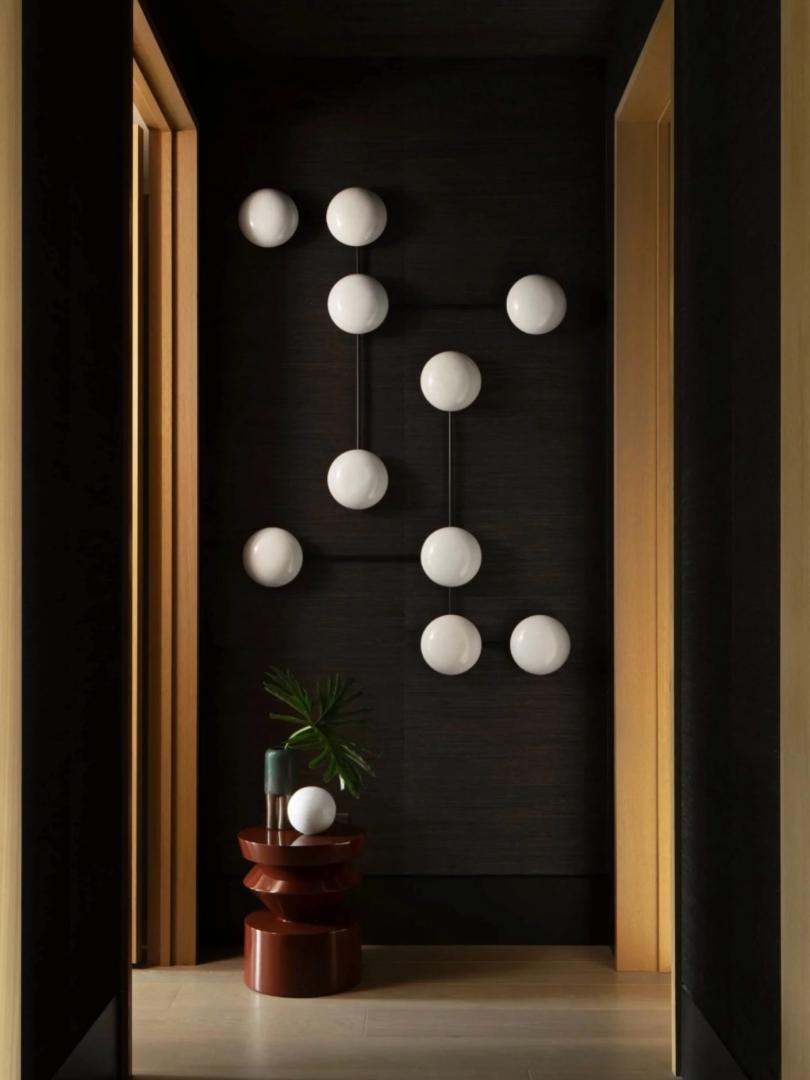
Design - @navyblack_studio
Architecture - @momentdesign_architecture
Build - @j.jordanhomes
Living Room Accent Lighting: The Social Hub
The living room asks more of accent lighting than any other space in the home. From afternoon reading to candlelit evenings, accent lighting must perform across multiple occasions, while carrying the aesthetic weight of your most curated possessions.
Anchoring the Seating Area with Sculptural Light
Position a pair of floor lamps or tall table lamps at either end of the main sofa to define the seating zone as a contained, warmly lit world within the larger room. Choose bases with visual weight—turned stone, stacked ceramic, or hammered metal—so the lamps hold their presence during daylight. In the evening, this arrangement creates a pool of warm light that draws people inward and makes conversation feel more intimate.
Highlighting Architectural Details
Every home has architectural features worth drawing attention to: a coffered ceiling, a deep-set fireplace, an original cornice, or a paneled wall. Directional wall sconces aimed at these features graze the surface with light, making shadow and texture a visual event. This technique, called "grazing," works especially well on textured plaster, brick, and natural stone, where raking light reveals depth and character invisible under flat illumination.
Styling Consoles & Sideboards
A console or sideboard along a living room wall offers a ready-made stage for accent lighting. When paired with a grouping of smaller objects, a table lamp is a go-to anchor that provides visual height and a warm glow. Or, if surface area is precious, a floor lamp positioned next to a console has the same effect without taking up table space.
The "3-Point" Lighting Rule
Checklist
For accent lighting ideas, keep these guidelines top of mind when styling your living space:
-
Identify one architectural or structural feature worth grazing with directional light
-
Position a floor or table lamp to create warmth at eye level on at least one wall
-
Add a third source—such as a sconce, picture light, or low shelf lamp—at a contrasting height
-
Step back and assess: does the room feel dimensional, or is one source dominating?
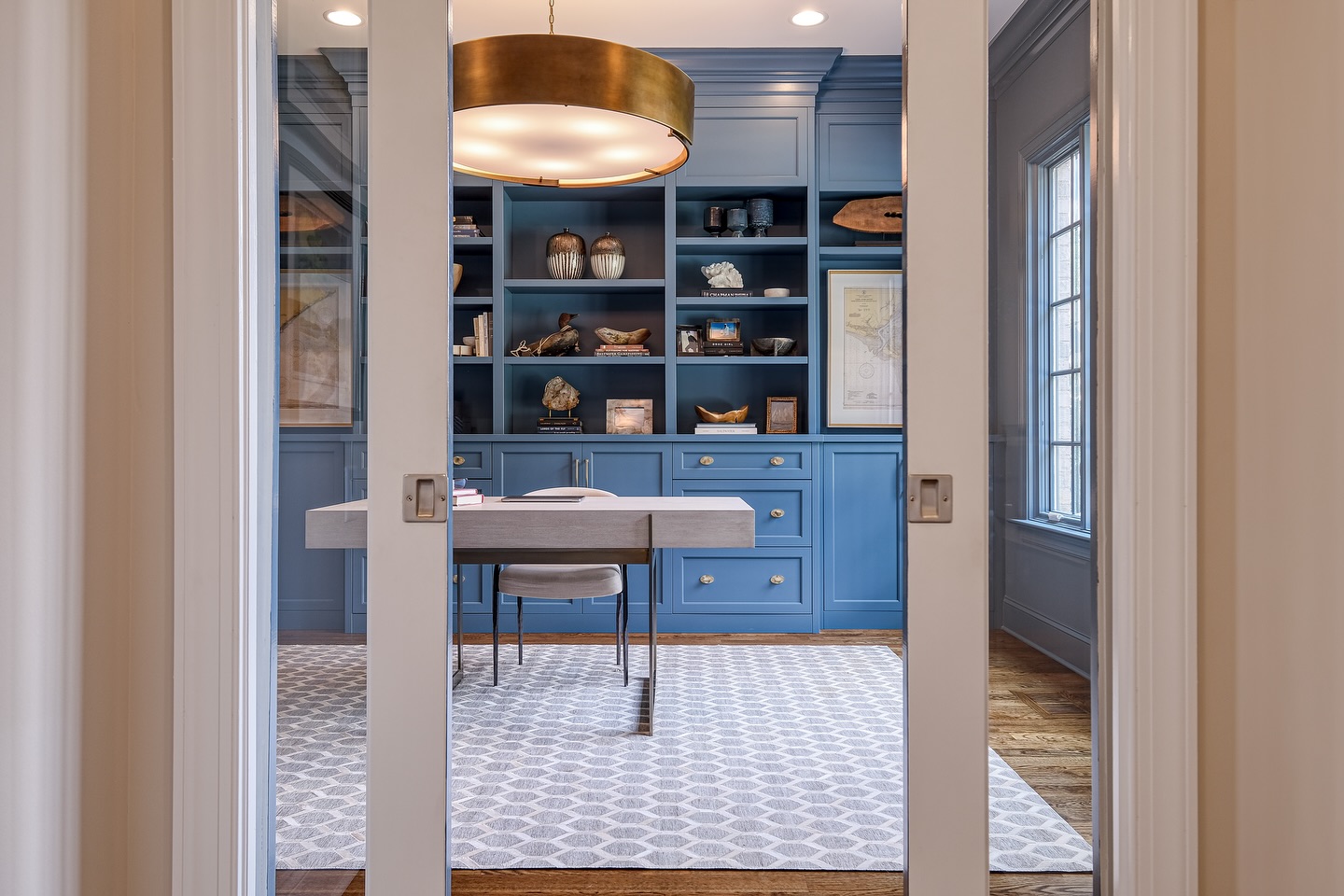
design - @lesliewilliamsinteriors
photography - @shutteravenue
Accent Lighting Ideas for Kitchens, Bedrooms & Entertaining Spaces
Beyond the living room, each space in the home presents its own set of lighting opportunities and its own hierarchy of moments worth illuminating. The goal is to create atmosphere, depth, and a sense of intention.
Kitchen Layering: The Kitchen as a Gallery of Function
The modern kitchen has become one of the most design-forward rooms in the home, and its lighting should reflect that ambition. Beyond downlights and task lighting, consider pendants over the island at varying heights, or a single architectural pendant over the sink. Together, these layers of light transform the kitchen from a workspace into a gathering space.
Dining Room Drama: Mood Beyond the Chandelier
Placing a chandelier or pendant above a dining table is expected, but what truly elevates the space is everything beyond that design move. A pair of sconces on the wall facing the table provides fill light that flatters faces and removes the harsh shadows a single overhead source creates. A picture light or directional spot on a buffet painting creates a secondary focal point. Dimmed to 30 or 40 percent, this layered approach makes dining feel like an event. To outfit your entire space, shop our dining and kitchen collection.
Bedroom Sanctuary Vibes
The bedroom accent lighting’s goal is warmth and calm. Swing-arm sconces mounted on either side of the bed at reading height replace the bedside lamp with something more architecturally integrated, freeing up surface space and creating a cleaner, more composed headboard wall. With the right bedroom furniture and accessories, even a low-profile table lamp on your dresser or vanity contributes to the sense of retreat. Always avoid harsh overhead lighting in the bedroom, as the space should feel gently lit from below eye level.
The Powder Room "Jewel Box"
As the smallest room in the home and the one visited briefly by guests, the powder room rewards a single, unabashedly bold lighting moment. A dramatic pendant at an unexpected scale or sculptural sconces flanking the mirror can become the focal point of this small space.
Entryway First Impressions
The entry sets every expectation a visitor will carry into the rest of the home. When it comes to home accent lighting, a pendant or flushmount that reads as a sculptural object when approached from the front walk announces the interior's aesthetic before the door is fully open. A pair of console sconces flanking an entryway table, lit on arrival, creates a welcoming symmetry. Position a small, warm light aimed at a mirror or piece of art to immediately create depth in what is often a narrow, challenging space.
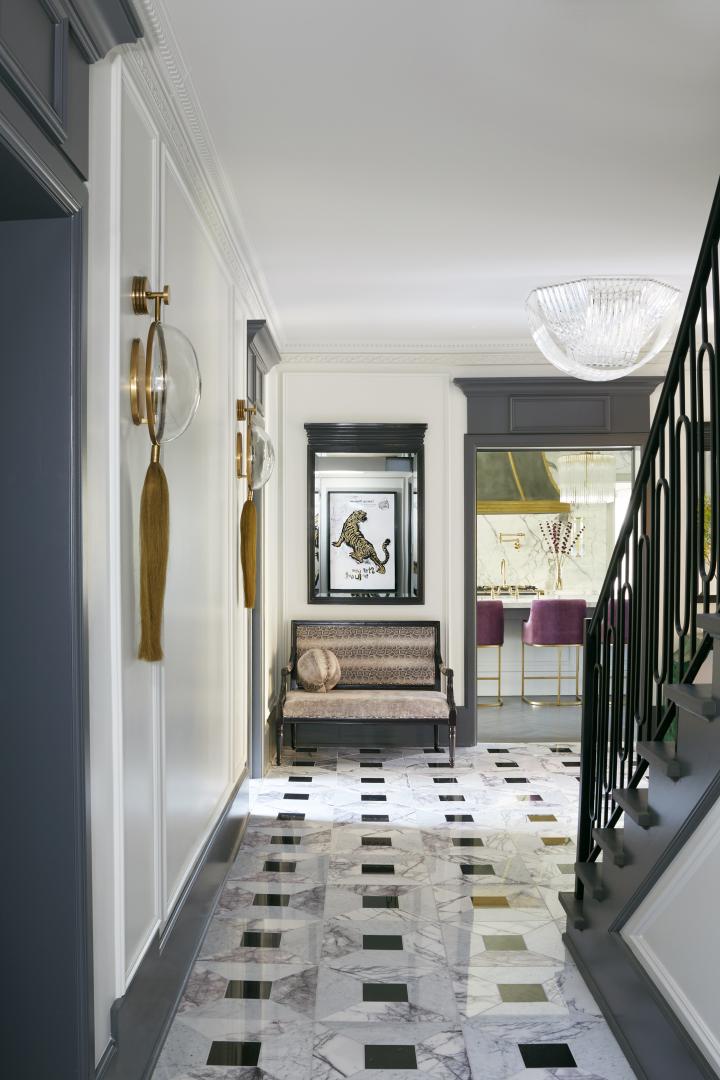
leodesignschicago
heathertalbert
Real Accent Lighting Examples in High-Design Interiors
Review accent lighting inspiration from luxury interiors. From blown glass sculptures to accents that emphasize organic elements and textures, these examples give a glimpse into the true impacts of accent lighting.
Accent Lighting Materials & Finishes That Glow
A fixture’s material and finish shapes its visual presence and the quality of light it produces. The best accent lighting is inseparable from the object that delivers it.
Living Brass & Bronze
Brass and aged bronze develop patina over time, growing warmer and more complex with age. In warm light, brass seems to glow from within, while aged bronze absorbs light in a way that makes it read as a material with depth and history. These finishes work across nearly every interior style, from modern to eclectic.
Hand-Blown Glass
Accent lights that feature hand-blown glass instantly add a one-of-a-kind feel to a space. Each piece carries the evidence of its making, from slight asymmetries in the shape to bubbles in the texture. Amber, smoke, and opaline are the most evocative tones, each casting a different quality of warmth. A hand-blown glass pendant or table lamp base reads as an art object by daylight and a character-filled light source after dark.
Mixed Media Textures
Some of the most compelling contemporary accent fixtures combine contrasting materials in ways that feel deliberate (think: rattan shade mounted on a ceramic base, a woven leather shade on a steel armature, a marble column base supporting an aged brass frame). These mixed-material moments resist easy categorization and reward close attention.
Reactive Glazes
Ceramic lamp bases finished with reactive glazes provide rich variation in texture and color. Under warm light, these surfaces come alive in ways that synthetic materials cannot replicate. A table lamp with a reactive glaze base instantly adds an organic, human element to a composed room.
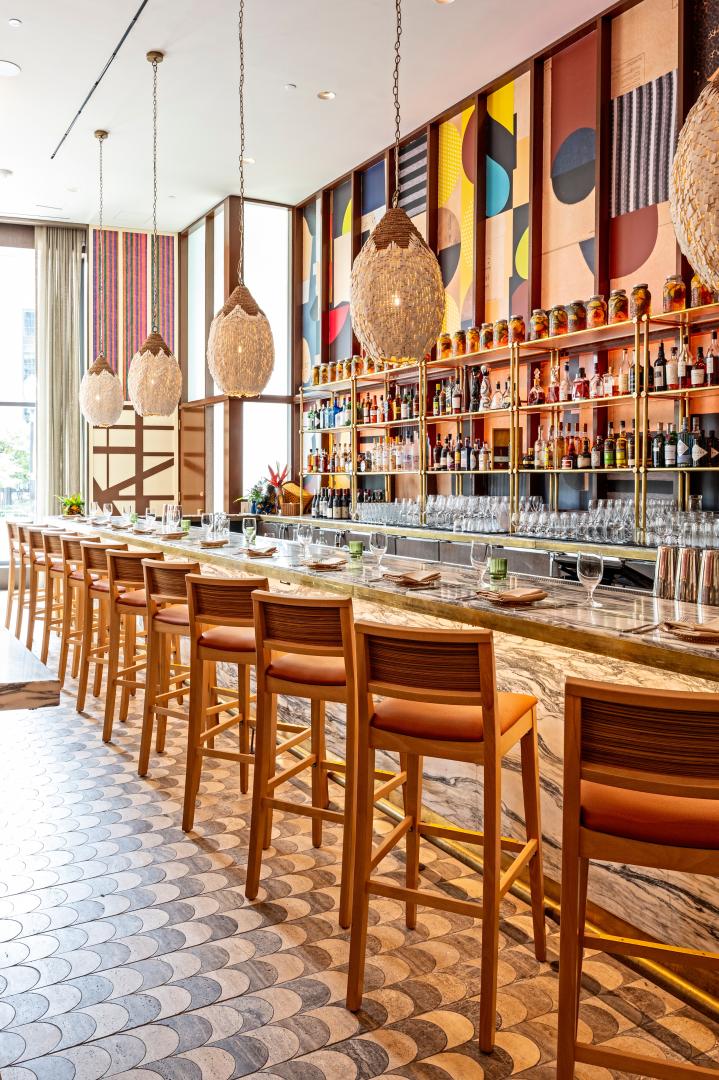
dsgnrswrkshp
scottsuchman
Accent Lighting Technical Specifications & Installation
To ensure you choose a fixture that performs as beautifully as it appears, review these technical specifications before installing a single pendant.
Hardwired vs. Portable
Hardwired accent lighting offers the cleanest result and the greatest control. Planned at the building or renovation stage, it allows accent sources to be positioned with precision and placed on independent dimmer circuits. Portable accent lighting (table lamps, floor lamps) offers significant flexibility and lower installation cost. In many well-designed interiors, both approaches coexist: a hardwired directional spot for art, a portable lamp for warmth and atmosphere at another point in the room.
Frequently Asked Questions
What Is Accent Lighting Used For?
Accent lighting draws deliberate attention to specific objects, surfaces, or architectural features. It creates visual hierarchy, depth, and atmosphere within a space, transforming a room from functional to genuinely considered and composed.
How High Should Accent Sconces Be Mounted?
For most residential spaces, sconces mounted between 58 and 66 inches from the finished floor perform best. This height aligns with the human sightline, producing warmth and intimacy rather than the downward wash of a fixture that is mounted too high.
What Is the Difference Between Accent & Ambient Lighting?
Ambient lighting establishes a room's overall brightness through general-purpose sources. Accent lighting operates selectively, directing focused light at specific elements. Together, they form the foundational and atmospheric layers of any well-designed interior lighting scheme.